


The P.D.A. Framework Deep Dive: How to Generate Conceptual Diversity That Andromeda Actually Rewards

Meta's Andromeda update fundamentally rewrote paid social advertising. Leveraging NVIDIA Grace Hopper Superchips, Andromeda functions as a personalized ads retrieval engine that evaluates individual creative assets to match users based on message, visuals, themes, hooks, and language. This shift means creative diversity has become the primary targeting mechanism, catching advertisers off guard while opening the door to significantly better performance for those willing to rethink creative concept development.
The challenge? Producing enough conceptual variety to satisfy an algorithm that matches each asset to specific user segments. I've seen ads with completely different people, scripts, and edits get grouped as the same ad when they share similar setups. Font or color tweaks no longer constitute meaningful variation. What actually works is systematic frameworks that generate truly distinct concepts while maintaining strategic coherence.

Why Andromeda Changed Everything: The Shift to Creative as Targeting
Andromeda marked Meta's transition from traditional audience segmentation to creative-first advertising. The algorithm now functions as a pre-bid retrieval system, using advanced neural networks to scan creative indexes in real time, overriding traditional interests and lookalikes. Each unique concept unlocks access to different audience segments that the algorithm can effectively reach.
The system evaluates each creative element within a broader context. It considers how well content resonates with various audience segments. A concept that performs moderately across several segments might deliver more value than one that dominates a narrow user slice. This demands strategic thinking where every asset addresses specific user needs. The days of launching three variations and letting the best one dominate? They're over. The system requires a rich pool of options, each tailored to different pain points, desires, or use cases.
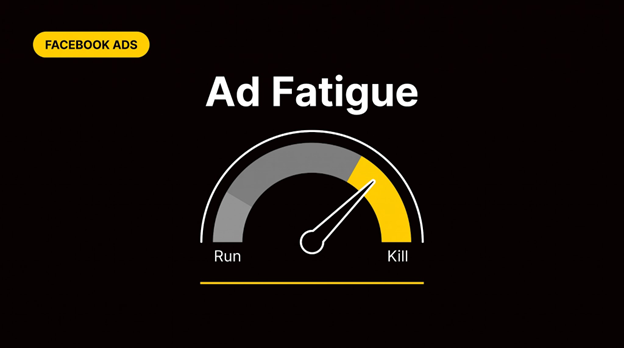
Creative fatigue hits harder and faster under Andromeda. The system reduces the delivery of repetitive assets, recognizing when creative freshness declines. The algorithm looks for fundamental conceptual differences: a new hook, a different persona, an alternative angle. This requires continuous experimentation and a willingness to test unconventional concepts.
The P.D.A. Framework: Persona, Desire, and Angle Explained
The P.D.A. framework provides a systematic methodology for generating diverse concepts that Andromeda recognizes as distinct. It breaks creative ideation into three core elements that, when combined, produce 8-12 conceptually diverse concepts occupying different clusters in Andromeda's retrieval index.
- Persona defines who the message addresses: specific audience segments with shared characteristics, behaviors, or mindsets.
- Desire captures underlying motivation, aspiration, or a problem needing resolution.
- Angle determines communication approach, creative tone, or narrative structure connecting the two.
Here's where it gets interesting. The power lies in the combinatorial nature. Five personas, four desires, and six angles yield 120 distinct concept possibilities. Each combination produces fundamentally different ads that address unique intersections of audience needs and creative approaches.
Mining Customer Language Through Deep Research
The framework relies on deep research into customer language on Reddit and Meta comments to establish psychographic ground truth. This isn't about demographics; it's capturing specific words and phrases people use when describing their situation, clustering search intent into psychological categories for authentic messaging.
Review customer service transcripts, social media comments, product reviews, and survey responses for patterns. Look at how different segments describe pain points or desired outcomes. A busy parent talks about meal kit needs differently than a health-conscious professional, even if both want convenient nutrition. These linguistic differences inform persona definitions and desire framing.
This research creates authentic messaging that feels personally relevant rather than generically targeted. When ads reflect actual customer language, they stop the scroll because they sound like conversations with someone who understands their situation. The algorithm gets clearer signals about which audience segments to prioritize.
How P.D.A. Generates the Diversity Andromeda Rewards
The framework generates diversity by forcing systematic exploration of different persona-desire-angle combinations. Instead of brainstorming randomly, structured permutations ensure actual conceptual variation. A concept addressing busy parents' desire for family bonding through humorous angles? It differs fundamentally from one that targets the same persona's desire for health optimization through educational angles.
This systematic approach enables teams to produce 30 or more distinct concepts each week without variations on the same core idea. The algorithm rewards this diversity with better audience matching and reduced creative fatigue. Meta's system tests each against different user segments, identifying which personas respond to which desire-angle combinations. According to Meta, advertisers enabling Advantage+ creative experienced a 22% increase in ROAS, while structured P.D.A. testing yields 30% year-over-year CTR improvement (Ecom CMOs: How Pilothouse Used Meta’s Update to Drive 30% Higher CTR with Fewer Campaigns by DTC Podcast).
Building Your Meta Ads Creative Testing Framework with ABO Sandboxes
Testing creative concepts effectively requires giving each one a fair evaluation. ABO sandboxes create environments for equitable testing in which each ad set contains a single concept, ensuring independent algorithmic evaluation rather than immediate favoritism toward early traction.
The recommended structure consolidates budgets for broad delivery while maximizing diversity:
This structure prevents premature winners from monopolizing the budget. In CBO environments, the algorithm quickly identifies top performers and reallocates spend accordingly before other concepts have sufficient data. With ABO sandboxes, each concept receives equal budget allocation during the initial testing phase (typically 7-14 days or until reaching 1x AOV spend per ad), allowing you to identify true winners based on complete data rather than algorithmic bias toward early momentum.
Once winners are identified, you can graduate top performers to a CBO campaign for scale while continuing to test new concepts in the ABO sandbox. The testing framework should operate as continuous discovery rather than periodic launches, generating insights that inform creative strategy and identify winning hooks, angles, or messaging approaches.
Launching 30+ Concepts Weekly with Fair Algorithmic Evaluation
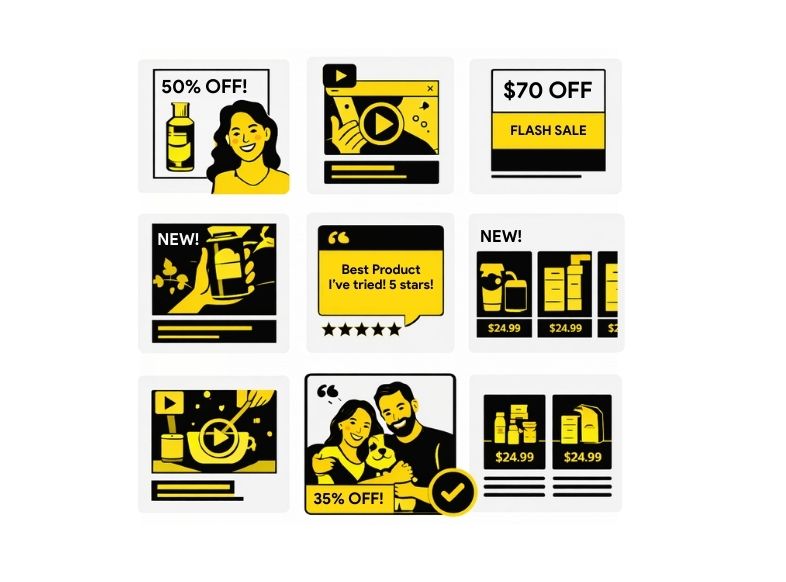
Hitting 30 or more new concepts weekly aligns with what the algorithm needs for optimal performance. High-concept volume increases the odds of discovering breakthrough creative while providing Meta with diverse options to reach different audience segments with relevant messaging.
To learn more, listen to Ep 520: How Pilothouse Tests 30+ Creatives Weekly on Meta: A Practical Guide by DTC Podcast.
Systematic frameworks like P.D.A. make this volume achievable. Rather than starting from scratch, teams work through combinations methodically. Content production systems with clear templates for different formats accelerate execution once the conceptual direction is defined.
Fair evaluation requires giving each concept equal conditions during initial testing. Launch concepts simultaneously within the same ABO structure using identical targeting settings. Allocate at least 1x AOV (average order value) per ad for sufficient spend and clean conversion signals. This ensures performance differences reflect genuine audience response to creative rather than external variables.
Expanding Creative Range: CGC, UGC, and EGC Content Mix
Content source diversity strengthens creative range as much as conceptual diversity. Creator-Generated Content, User-Generated Content, and Employee-Generated Content each bring distinct perspectives and authenticity that professionally produced ads sometimes lack.
CGC (content explicitly paid for to nail specific angles with professional polish) carries inherent social proof, demonstrating real people getting real value in authentic contexts. UGC includes influencer partnerships and content creators who bring production-quality content while maintaining an authentic feel. EGC (the "new kid on the block") leverages team expertise to humanize brands through the people who build and support products. As Avery Valerio from Pilothouse shares, having employees show faces signals products are good enough for non-founders to endorse publicly (Ep 538: How to Deploy UGC, CGC, and EGC in Your Paid Strategy by DTC Podcast.
This content mix addresses a fundamental truth: people trust people more than brands. When creative libraries include voices beyond marketing teams, they expand the message types brands can deliver credibly. An employee explaining technical features carries a different weight than a customer testimonial about results. Both differ from influencers demonstrating lifestyle integration.
The Power of Specific References Over Generic Creative
Specificity makes a creative memorable and relatable. Generic ads blend. Specific references anchor concepts in concrete details. Mentioning exact pain points or showing specific use cases connects better than vague lifestyle imagery. Niche references (like demographic-specific humor) stop scrolls better than generic inclusive messaging. Specificity creates resonance; broad messaging creates indifference.
This specificity helps the algorithm match ads to the right audiences. When creative references particular scenarios, interests, or problems, it provides clearer signals about who should see that ad. Building libraries of specific-reference creative requires mapping the contexts in which products add value, the situations that trigger purchase consideration, and the distinct ways different personas think about needs.
Optimizing the First Three Seconds: Visual Hooks That Unlock New Audiences
The first three seconds determine whether an ad is watched or skipped. Strong opening frames use striking imagery, unexpected juxtapositions, or compelling movement that catches attention before conscious processing begins. Testing reveals that shifting the first three seconds of visuals beats changing the voiceover. A "pour" shot versus a "sip" shot unlocks entirely different audience segments within the same campaign.
Effective visual hooks work on multiple levels simultaneously. They stop scrolls through pure visual interest while telegraphing a subject matter. Test different hook approaches systematically. Pattern interrupts contrast sharply with typical feed content. Text overlays stating provocative claims work when viewers process words quickly. Native-looking content that matches organic posts may get initial attention, but it needs stronger subsequent elements for sustained engagement.
Transforming Creative Into a Living Library of Answers
High-performing creative operations treat asset libraries as strategic resources rather than historical archives. Each concept tested generates data about what resonates with which audiences, which hooks drive engagement, and which angles overcome objections. Andromeda deployment achieved 6% recall improvement for retrieval systems and 8% improvement in ad quality for selected segments (Meta Engineering).
Structure libraries to capture both creative assets and performance insights they generate. Tag concepts with P.D.A. components, content formats, visual approaches, and key messaging themes. Track performance metrics at granular levels, creating queryable databases of what works. Industry leaders maintain 8-12 active creative variations per campaign, refreshing 25-30% of their library monthly to sustain performance (Admetrics). This becomes both a repository of proven winners to refresh and redeploy, and a guide for developing new concepts based on validated patterns.
Modern creative asset management platforms like Uplifted demonstrate this approach by automatically tagging assets based on value propositions, personas, and messaging themes, and then linking each element to performance data such as ROAS, CTR, and conversion metrics. Every asset launched trains the algorithm on which specific messages work for which user states, creating a compound learning system that improves targeting precision over time.
Results and Implementation
Implementing systematic creative concept development through frameworks like P.D.A. drives measurable performance improvements. The path requires commitment to consistent testing and creative production: launching dozens of concepts weekly, analyzing performance rigorously, and iterating based on data.
Success demands close collaboration between creative teams and media buyers. Insights informing concept development come from performance data, while creative execution determines what data can be generated. When these functions operate in sync with regular feedback loops and shared goals, systems continuously improve.
Partner with Pilothouse for Performance-Driven Creative Strategy
At Pilothouse Digital, we've built our paid social practice around the reality that creative is the new targeting. Our integrated teams of media buyers and creative strategists produce 30+ distinct concepts weekly for DTC brands, managing everything from customer research to performance analysis.
We've developed proprietary systems for mining customer language, generating P.D.A. combinations, and analyzing performance data at the granular level. Our clients see measurable CTR improvements and ROAS gains by treating creative as a systematic discipline rather than periodic campaign refreshes.
The shift to creative-first advertising is permanent. As Meta continues investing in AI-powered delivery, brands need operations built for continuous experimentation.
Ready to scale your creative testing? Contact Pilothouse to build a framework that turns creative diversity into a competitive advantage.



%20(1).jpg)








.png)



.webp)


.webp)