Why Your Best Meta Creative Is Wrong for Pinterest
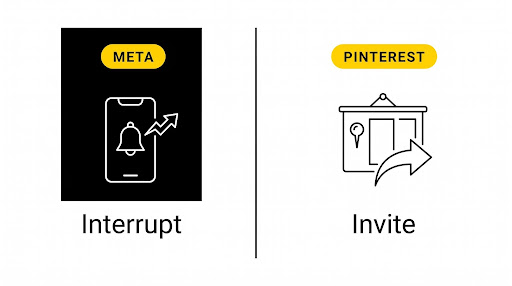
Repurposing your highest-performing Meta ads for Pinterest and expecting the same results is a common and costly mistake. The platform looks familiar on the surface: feed-based, visual, ad-supported. But the people using it are in a completely different headspace, and your creative approach needs to reflect that.

Building a Pinterest ads strategy that actually works means unlearning a lot of what Meta taught you. Your targeting logic, creative style, and messaging all need to shift, and so does your timing.
The Mindset Gap: Why Pinterest Users Are Nothing Like Meta Scrollers
Meta is largely a social network. People are there to connect, be entertained, and kill time. Ads interrupt that experience, which is why so much Meta creative relies on pattern-interrupts, bold claims, and problem-agitation hooks.
Pinterest is something else entirely. It's more like a visual search engine than a social feed. Users arrive with clear intent, actively curating ideas for future projects like "spring outfits 2026" or "living room decor" (Ep 44: Stop Running the Same Ad on Every Platform, Ep 45: Platform-by-Platform Guide to Paid Social Ads). That context changes the ad dynamic completely. Done right, your Pin fits into what someone was already looking for.
Intense Intent vs. Passive Scrolling
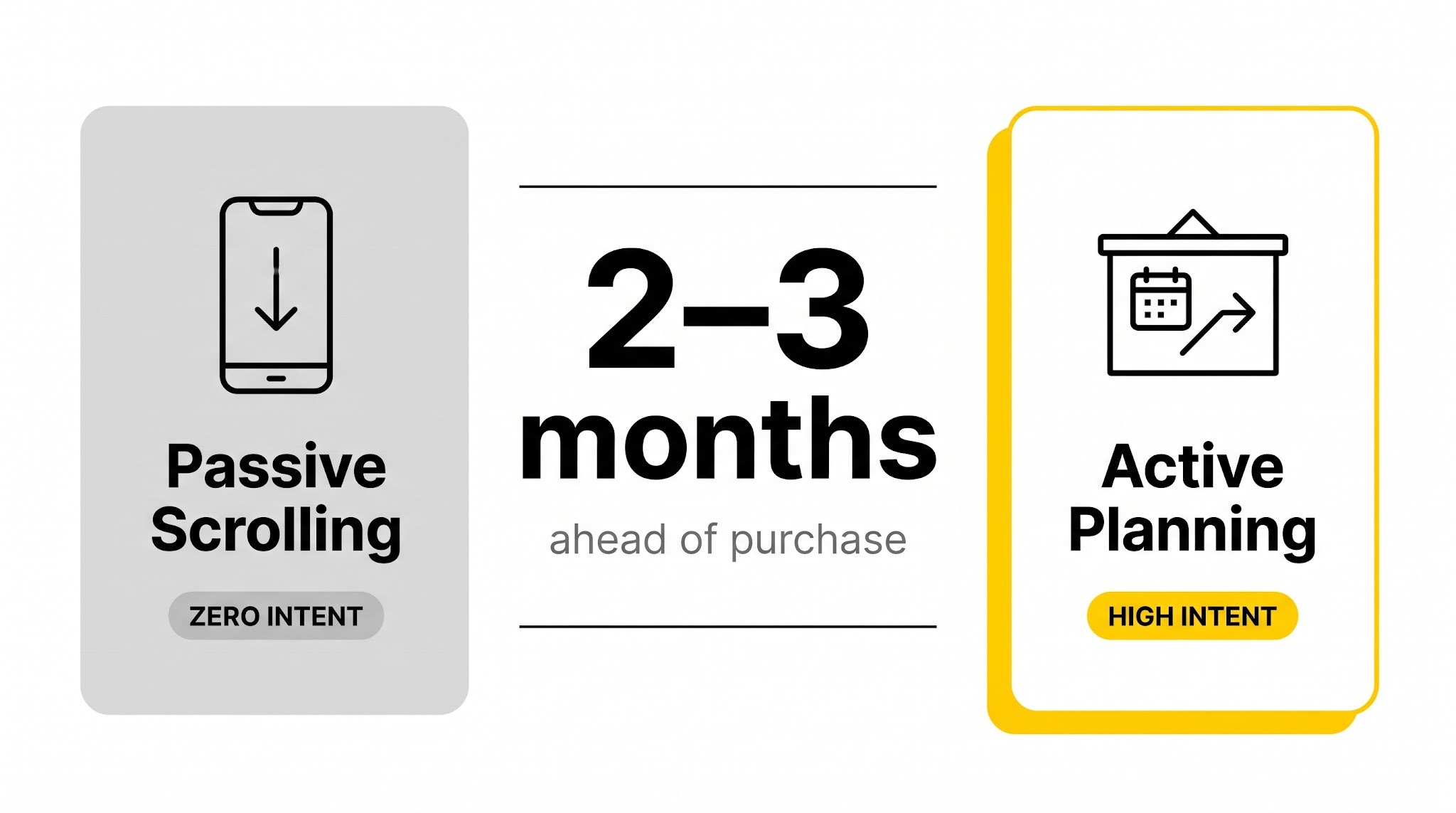
Most DTC brands underestimate how significant the intent gap really is. A Meta user who sees your ad may have had zero intention of thinking about your product category that day. They're typically scrolling passively while waiting at a dentist's office or for a bus (Ep 52: When You Find a Winner: Four Ways to Iterate on Creator Content). A Pinterest user searching "kitchen organization ideas" or "minimalist bedroom inspo" is actively building a vision of their future life, planning out purchases with genuine purpose. They want to be influenced.
Brands that perform well here aren't shouting for attention. They're offering something the user actually wants to find. Shifting from interruption to invitation requires a fundamentally different creative mindset.
The 45-Day Planning Window
Pinterest users plan ahead. The average user is two to three months ahead of an actual purchase decision, using the platform to map out future buys well before they're ready to act. For major holidays and seasonal products, the planning surge begins 45 to 60 days out. Brands that need their gifting-focused content seen during Q4 should have it live in October or November to meet users during their actual planning phase (Ep 45: Platform-by-Platform Guide to Paid Social Ads).
Brands that treat Pinterest like a last-minute push consistently underperform. The ones that get ahead of the planning cycle earn saves and top-of-mind awareness that pays out at the moment of purchase.
Identity Aspiration: Replacing Meta's Problem-Agitation Model
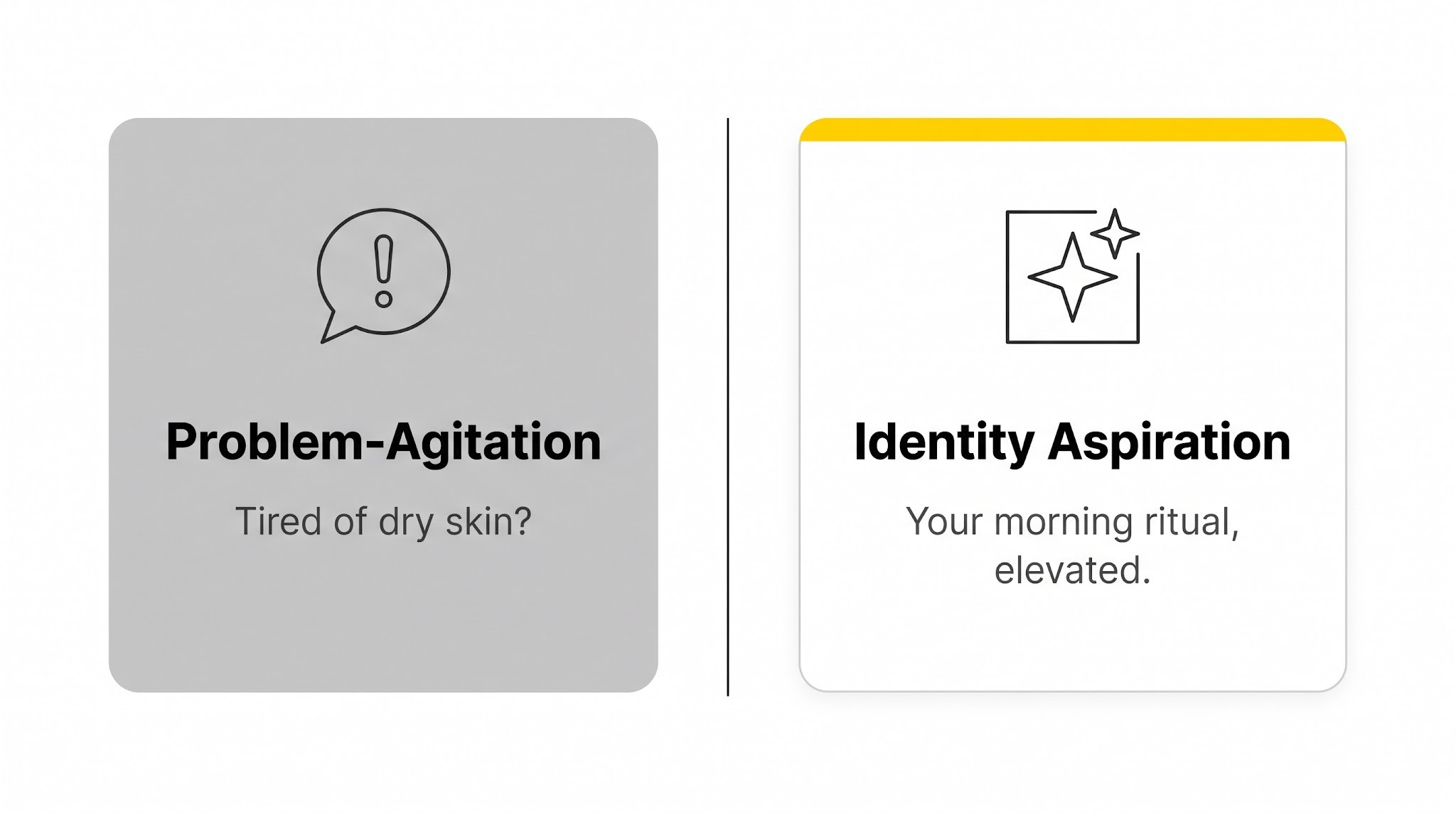
Meta's playbook often starts with pain. You identify a problem your audience has, amplify the frustration, and position your product as the relief. It works because the format rewards emotional triggers and quick responses.
Pinterest users aren't in that mode. They're curating what's possible in their lives, not looking to be told what's wrong with them. Pinterest is a primary platform for "inspo gathering". Users organize boards around composition, one-liners, and visual styles tied to the version of themselves they're working toward.
The pivot DTC brands need to make: replace problem-agitation with identity aspiration. Instead of "Tired of dry, lifeless skin?", think "Your morning ritual, elevated." Effective Pinterest content frames the product as part of an experience the user is already pursuing, like a girl wearing jewelry on a beach triggers a desire for the lifestyle, not just the item (Ep 39: Bundles Aren’t Discounts. They’re Strategy). The product becomes part of a self-image they're actively building, and that's a genuinely strong position for a brand to hold.
Pinterest Creative Strategy: Visuals That Earn Saves, Not Just Clicks
When someone saves your Pin, they're filing it away as something relevant to their future. That behavioral signal should guide every creative decision.
Visuals that earn saves are high-quality and feel native to the platform. They don't look like ads. They look like content someone would have sought out on their own.
Lifestyle Imagery Over Hard-Sell Demos
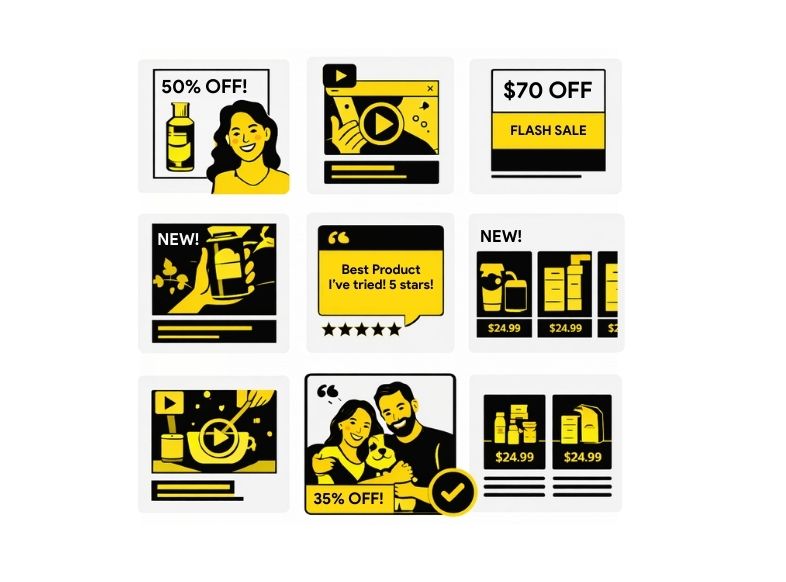
Product-on-white-background photography may work in a Google Shopping feed. On Pinterest, it's forgettable. What performs is lifestyle imagery that puts the product in context. Think of the difference between a photo of a candle and a photo of a cozy reading nook at dusk with that candle glowing on the side table. Both feature the product. Only one earns a save.
If you're applying Pinterest creative best practices, prioritize scenes over isolated products and context over specs. Mood carries more weight than a feature list.
Native Video, Safe Zones, and Paneling
As Avery Valerio explains, video on Pinterest behaves differently than on Meta or TikTok. Video Pins autoplay when 50% visible in the feed, and Pinterest recommends keeping videos between 6 and 15 seconds for best engagement (Ep 45: Platform-by-Platform Guide to Paid Social Ads). Users often scroll without sound, so the essential message needs to land visually, through on-screen text or storytelling that doesn't depend on audio.
Safe zones matter here. Text, logos, and core visuals should stay in the central area of the frame, away from edges where Pinterest's UI elements can obscure them. The profile picture, the "Save" button, and the visual search icon in the bottom-right corner.
It's also worth noting that Image Pins are among the most reliable formats for reach, making standard Pin ads a strong default for brands focused on maximizing reach. When a static image can carry the lifestyle and aspiration clearly, it often should.
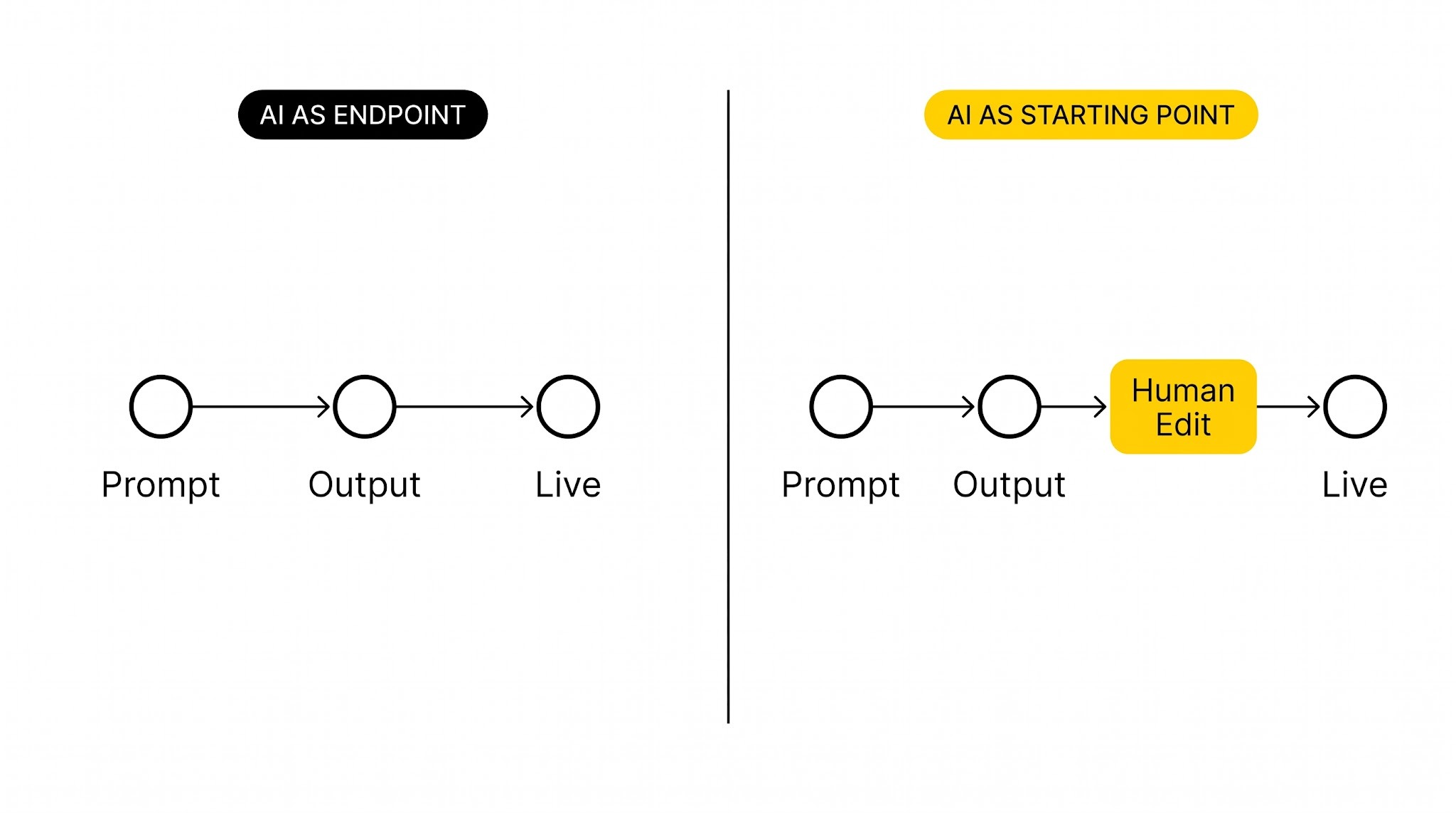
One effective iteration technique is paneling: taking a winning asset and adding a color-blocked bar at the bottom that includes specific copy or a product render. Because it isn't always obvious which brand is behind a specific Pin, that bottom panel is also the right place to include your brand name for future recognition (Ep 52: When You Find a Winner: Four Ways to Iterate on Creator Content). This protects creative equity without overtaking the visual appeal of the Pin itself.
Who You're Actually Reaching on Pinterest
Pinterest's user base skews heavily female, with women making up around 70% of users and women aged 25 to 34 as the platform's largest segment (Sprout Social). That explains why fashion, beauty, home, and food categories tend to do well there. In the US, the platform reaches 46% of people aged 18 to 24, and Gen Z is its fastest-growing audience, a shift that should influence the visual language of your ads.
Understanding these demographics in psychographic terms matters just as much as knowing the numbers. Pinterest users tend to be in a forward-looking mindset, building vision boards for upcoming decisions. They're more receptive to content that helps them solve for the future, whether that's a product fitting an aesthetic they're building or a solution that makes an aspirational lifestyle feel more attainable. Not every item in your catalog is right for Pinterest. The ones that perform typically carry strong visual and lifestyle appeal, with positioning that maps cleanly onto aspiration.
The "Set It and Forget It" Trap That Kills Pinterest Performance
One of the most common mistakes brands make is treating Pinterest as a passive channel. They launch a campaign, point to "longer content shelf life" as justification for not maintaining it, and then wonder why results plateau. Pilothouse's Taylor Cain and Aves share a particularly telling example on the DTC Podcast (Ep 579: How to Nail DTC Merchandising in Q1: From Scroll to Sale): brands with holiday-themed creative still running in January because they view Pinterest as a secondary, low-maintenance channel.
Pinterest ads do have longer lifespans than Meta ads, but that doesn't mean they run themselves. Fresh creative signals relevance to the algorithm. A library of Pins that hasn't been updated in months gradually loses momentum. Active management, checking performance data regularly, testing new creative variations, adjusting targeting, is one of the clearest differentiators between brands that scale on Pinterest and those that stay flat, and it's reflected consistently in Pinterest's own creative best practices.
How to Study Pinterest Like a Native: Finding the Right Creative Muses
One of the most practical steps before building or overhauling your Pinterest creative strategy is spending time on the platform as a user. Search for terms your target customer would use. Save Pins. Notice what earns attention and why.
The best-performing Pinterest content isn't found in ad libraries. It's found in organic boards curated by real users in your target market. What you'll notice quickly is how different the visual language feels from other platforms.
When identifying "content muses", creators who embody what your target persona wants to see, brands consistently find that Pinterest creators produce content with a completely different look and feel compared to long-form YouTube creators (Ep 51: How to Use Content Muses to Build Hyper-Relevant Ads). Formatting, composition conventions, and aesthetic norms differ significantly. Studying native Pinterest creators rather than Meta or YouTube talent is how brands calibrate their creative to the platform's actual culture.
Building a Pinterest Ads Strategy That Scales
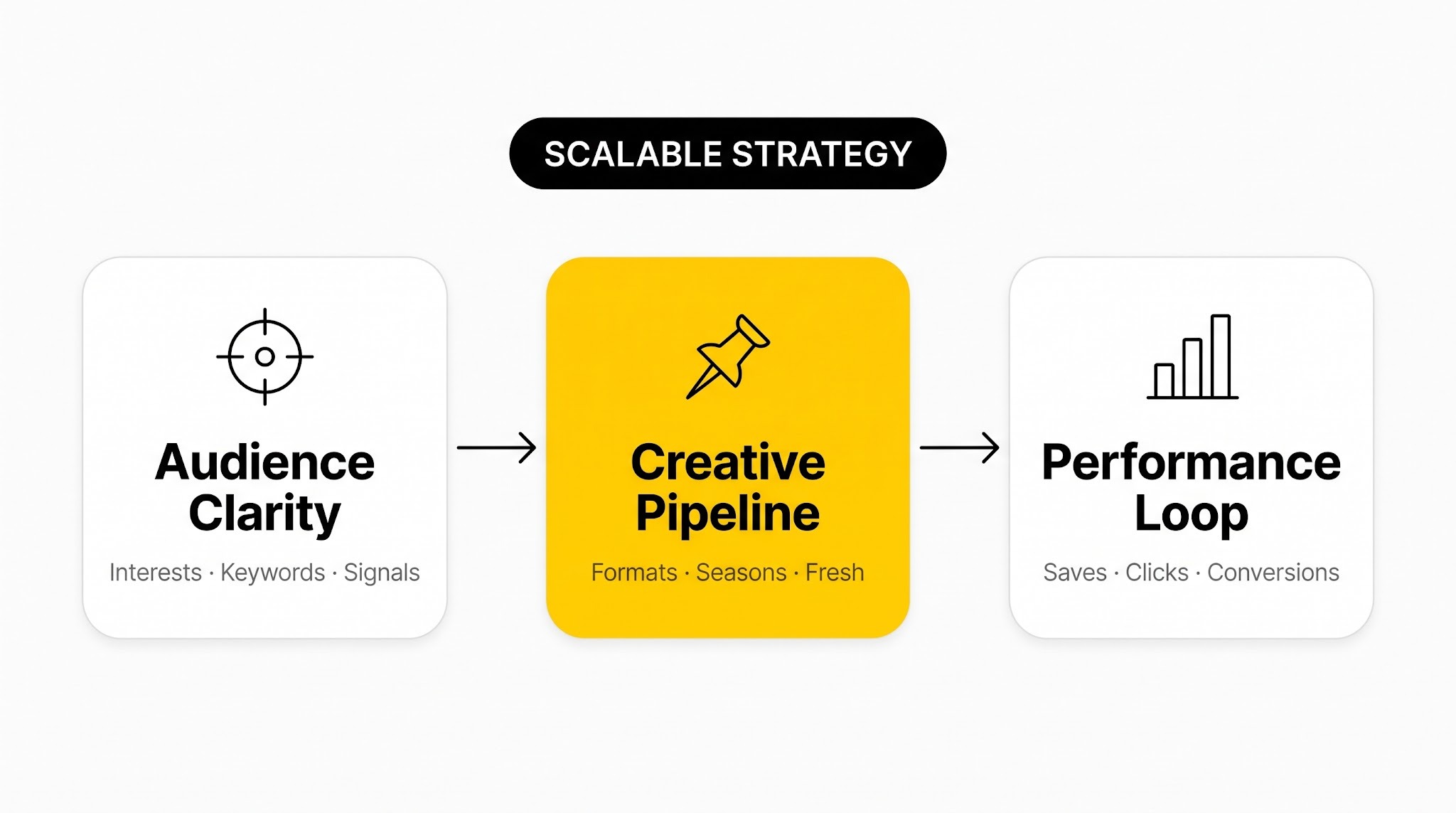
A scalable Pinterest ads strategy isn't just about budget. It's about building a system where creative, targeting, and timing reinforce each other in a way you can actually improve over time.
That starts with audience clarity. Pinterest's targeting allows you to reach users based on interests, keywords, and behavioral signals. Brands that scale effectively layer these options thoughtfully, typically starting with warm audiences and expanding once they have solid performance data.
Creative development has to be continuous. A single campaign with a handful of Pin variants is a test. A real strategy means building a creative pipeline that keeps content fresh across formats and seasons. Performance monitoring closes the loop. Saves, clicks, and conversions all tell you something different, and those signals behave differently from what you're used to on Meta. Once you understand them, the feedback loop becomes a genuine planning tool.
At Pilothouse Digital, we work with DTC brands working through exactly this kind of channel complexity. The brands that build lasting Pinterest performance don't treat it as a Meta extension. They treat it as a distinct, high-intent environment with its own behavioral logic and show up on its own terms. If you're ready to see what that looks like in practice, our case studies show how we help brands build platform-native strategies that scale.



%20(1).jpg)







.png)



.webp)


.webp)