Decoding Your CPM: A Guide to More Effective Meta Ad Targeting

The relationship between cost per mille and targeting effectiveness has fundamentally shifted. What worked two years ago (detailed audience parameters, demographic precision, interest layering) now often produces the opposite of expected results. Higher specificity frequently means higher CPMs, not lower. Understanding why requires rethinking what targeting actually means in Meta's current advertising environment.

Understanding CPM in Meta's Automated Advertising Era
CPM represents the cost for every thousand impressions ads receive. It's a foundational metric that directly impacts how efficiently budgets translate into audience reach. When CPM climbs from $8 to $12, advertisers suddenly get 33% fewer impressions for the same spend.
Retargeting CPMs vary widely by industry. Pet supplies sits at the high end at $11.79, compared to $8.33 for food and drink, $8.02 for health and beauty, and $8.76 for clothing (Lebesgue). The average CPM across Meta's platform reached $10.88 in Q1 2025, representing a 19.2% year-over-year increase. Understanding industry positioning helps contextualize performance (Right Side Up).
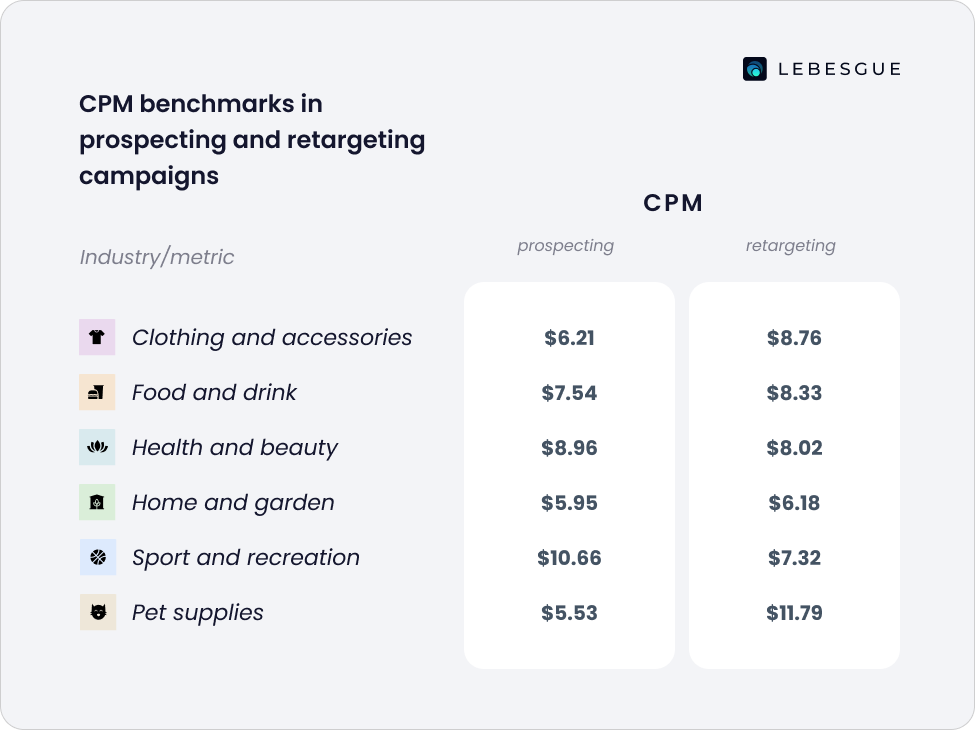
Meta's automated systems determine CPM through a real-time auction where multiple factors compete. Ad relevance, predicted engagement, and competition all influence pricing. The platform's algorithms assess how likely users are to engage with content, then price access accordingly. High engagement signals lower costs. Low engagement drives prices up.
Multiple analyses of social platforms show CPMs reliably peaking in Q4, with platform‑specific Q4 premiums often in the low double digits versus Q1–Q3 averages (for example, 13–30 percent higher depending on platform and year) (Superads). These patterns help distinguish whether rising costs stem from campaign performance or broader market forces.
Why Traditional Targeting Strategies Are Losing Effectiveness
The targeting playbook that built successful campaigns five years ago now often underperforms. Narrow demographic selections, precise interest combinations, and detailed behavioral parameters increasingly lead to higher CPMs and lower overall performance. The shift reflects fundamental changes in how Meta's advertising system operates.
Consumer behavior has grown more complex and less predictable through basic demographic data. Static targeting parameters can't capture the fluidity of modern shopping patterns, where purchase decisions depend more on context and moment than fixed characteristics.
The Shift to Automation and Advantage+ Campaigns
Meta's advertising platform now prioritizes machine learning over manual controls. Advantage+ campaigns represent the clearest example of this transition, and the performance data validates the approach. Meta’s own global tests show that adding Advantage+ Shopping Campaigns to business‑as‑usual setups delivered an average 32% increase in ROAS and 17% lower CPA compared to BAU campaigns alone (Acronym).
Meta case studies show that adding Advantage+ Shopping Campaigns to existing setups can cut costs dramatically, for example, SG saw a 55% lower cost per incremental qualified visit versus its usual strategy alone (Meta).
The automation operates on signals advertisers can't manually access. Meta's systems process billions of data points about user behavior, content interaction, and purchase patterns. Setting strict targeting parameters often blocks the algorithm from finding conversion opportunities that fall outside predetermined criteria.
This shift requires advertisers to think differently about control. Fighting the automation usually means higher costs and worse performance. Working with it by providing strong creative signals and clear value objectives typically delivers better results at lower CPMs.
The Rising Cost of Competing for Shrinking Audiences
More advertisers flooding the platform creates inevitable cost pressure. Competition intensifies, so the same audience impressions cost more to secure. This effect amplifies during peak seasons when everyone competes for attention simultaneously.
Overly specific targeting accelerates this problem. When advertisers narrow audiences to 50,000 people, they compete intensely with every other advertiser targeting that same group. Broader audiences paradoxically offer more opportunities to find lower-cost impressions within less competitive segments.
Creative as the New Targeting Mechanism
Creative content now functions as the primary targeting tool. The images, videos, and copy you deploy signal to Meta's algorithms which users will likely engage and convert. Strong creative guides the AI toward ideal customers more effectively than demographic checkboxes ever could.
Meta's algorithms prioritize ads generating strong engagement. High click-through rates, meaningful comments, and genuine shares all signal content value. These engagement metrics directly influence both ad delivery and CPM.
The platform analyzes how different user segments interact with various creative formats. By testing multiple creative approaches, advertisers provide the algorithm more pathways to identify responsive audience segments and optimize delivery accordingly.
Defining Value Objectives to Improve Delivery Efficiency
Clear value objectives help Meta's algorithms optimize toward outcomes that actually matter for your business. Moving beyond basic conversion tracking to signal customer lifetime value and profit margins enables smarter delivery decisions. The platform can then prioritize users likely to generate sustainable value, not just immediate transactions.
Generic conversion optimization treats all purchases equally. A $30 sale from a one-time buyer gets valued the same as a $30 sale from a customer who'll spend $500 over two years. Value-based bidding corrects this by telling Meta which conversions matter more, allowing the algorithm to find users matching high-value customer patterns.
Moving Beyond Basic Conversions to LTV and Margin Goals
Lifetime value optimization shifts focus from transaction quantity to customer quality. When advertisers signal expected LTV to Meta's systems, they adjust delivery to favor users exhibiting behaviors associated with repeat purchases and long-term engagement. This typically means slightly higher acquisition costs but dramatically better overall returns.
Margin-aware optimization prevents the trap of driving sales that don't contribute to profitability. A $100 sale with 60% margins differs significantly from a $100 sale with 20% margins. Communicating these distinctions helps the platform optimize toward profitable growth rather than growth at any cost.
Implementing value-based optimization requires robust data infrastructure. Server-side tracking through Conversion API improves signal quality by capturing events that browser-based tracking misses. This enhanced data quality gives Meta's algorithms more accurate information for identifying high-value users.
Creative Diversity Strategies That Lower CPMs
Strategic creative diversity directly impacts cost efficiency. The key lies in meaningful differentiation, not superficial variation. Changing a background color doesn't create true creative diversity. Building distinct messaging angles provides the algorithm genuinely different signals to optimize around.
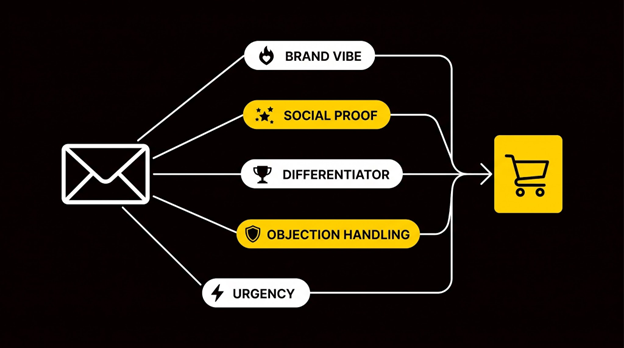
The most effective framework combines high creative volume with systematic rotation. Running 10-20 ads per ad set across different formats (40-60% short video, 20-40% static images, and 10-20% carousels) provides algorithmic flexibility. Testing at least 3-5 different hooks for each video angle, covering problem-focused, social proof, UGC testimonials, offer-driven, and objection-handling approaches expands reach.
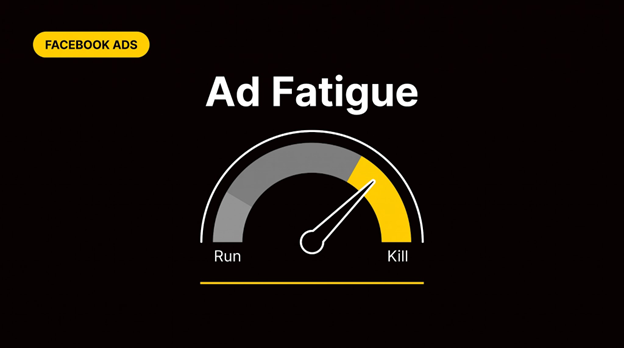
Regular creative refreshes maintain audience interest and platform performance. Creative fatigue reliably increases CPM, making constant rotation essential. Eliminating anything in the bottom 30% by CTR after 3,000-5,000 impressions and replacing it with new concepts maintains lower CPMs than running the same assets for months.
Aligning Creative Messaging with Customer Motivations
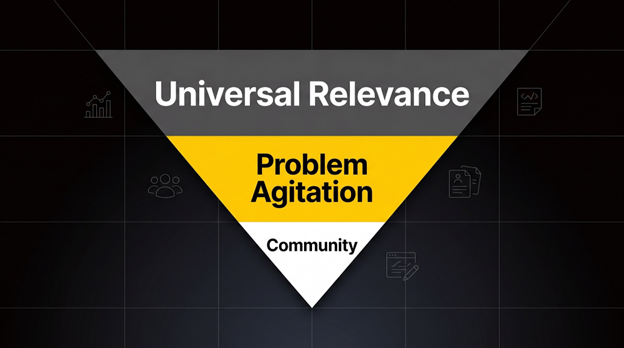
Understanding why customers buy enables messaging that resonates deeply with different segments. Problem-aware messaging speaks directly to pain points: "Tired of razor burn?" with close-up imagery of skin irritation. Solution-aware content emphasizes resolution: "Our 5-blade system eliminates irritation" paired with product demonstration. Product-aware creative assumes familiarity and focuses on conversion: "Now 20% off, subscribe and save" for warm audiences.
This awareness-based framework ensures message sophistication matches customer readiness. Early-stage prospects need education about the problem and solution. Late-stage prospects need reasons to convert now.
When to Use Broad Targeting vs. Detailed Targeting
Broad targeting works best when advertisers have strong creative diversity and clear value signals. It gives Meta's algorithms maximum flexibility to find efficient audience segments. This approach typically delivers lower CPMs because it avoids intense competition for narrow, over-targeted groups.
Detailed targeting remains valuable in specific scenarios. New account launches with limited pixel data benefit from some demographic guidance. Products with genuinely narrow appeal (specialized B2B services or niche hobby equipment) may perform better with focused parameters.
The decision often comes down to campaign maturity and data availability. Accounts with extensive conversion history and robust pixel data typically perform better with broader targeting. Newer accounts may need more initial guidance until the algorithm develops strong predictive models.
Audience Size and Specificity: Finding the Sweet Spot
Audience size significantly impacts CPM. Overly narrow audiences below 500,000 users often face higher costs because limited inventory creates intense competition. Advertisers fight over a small pool of impressions with every other advertiser targeting similar parameters.
The optimal range typically falls between 1 million and 10 million users for prospecting campaigns. This provides enough scale for algorithmic learning while maintaining sufficient coherence for pattern recognition. Retargeting campaigns naturally operate with smaller audiences but should still aim for at least 10,000 users when possible.
Custom Audiences vs. Lookalike Audiences for Cost Efficiency
Custom audiences let brands retarget users who've already engaged with them. These audiences typically deliver the lowest CPMs because high relevance drives strong engagement. Someone who visited your site last week costs less to reach than a cold prospect with no brand awareness.
Lookalike audiences extend reach by targeting users similar to existing customers. These campaigns balance efficiency and scale, usually delivering CPMs between cold prospecting and direct retargeting. The quality of the source audience directly impacts lookalike performance. Building lookalikes from high-value customers typically outperforms lookalikes built from general site visitors.
Interest-Based Targeting: Layering Without Over-Narrowing
Interest targeting enables reaching users based on their content consumption and engagement patterns. The danger comes from over-layering. Stacking multiple interest requirements creates tiny audiences with inflated CPMs. Each additional layer shrinks reach and intensifies competition.
Strategic layering means choosing one or two strong interest signals rather than building complex combinations. Testing interests individually to identify which drive the best performance, then scaling those winners maintains reasonable audience sizes while still leveraging interest data.
Geographic Targeting for Competitive Advantage
Location targeting offers strategic opportunities, particularly for brands with uneven market penetration. Focusing on regions where competition is less intense can deliver lower CPMs and better overall performance.
Regional preference variations justify geographic segmentation. Product categories that resonate strongly in coastal markets might underperform in the Midwest and vice versa. Testing geographic segments reveals these patterns and allows budget allocation toward higher-performing regions.
Measuring Success and Iterating for Long-Term CPM Improvement
Sustainable CPM improvement requires systematic measurement and continuous iteration. Establishing clear metrics connecting CPM to business outcomes provides complete performance visibility. Lower CPMs matter only when they contribute to profitable growth. Tracking cost per acquisition, customer lifetime value, and overall ROAS alongside CPM reveals true efficiency.
Regular performance reviews identify optimization opportunities. Looking for patterns in which creative concepts, audience configurations, and campaign structures deliver the best cost efficiency informs the next testing cycle, creating a feedback loop that progressively improves results.
Long-term CPM trends reveal whether strategies are actually working. Month-over-month and year-over-year comparisons help distinguish seasonal fluctuations from genuine performance improvements. Accounting for market conditions when evaluating results prevents misinterpreting external factors as campaign performance changes.
Building a Sustainable Meta CPM Strategy
Sustainable CPM management starts with accepting the current reality of Meta's advertising platform. Automation dominates delivery decisions. Creative quality drives performance more than any other factor. Manual targeting controls matter less than they once did.
Prioritize Creative Testing as Your Primary Optimization Lever
The most effective approach treats creative development and testing as the primary optimization lever. Building systematic testing processes generates continuous learning. Actively testing creative concepts, value propositions, formats, and audience configurations while documenting results compounds knowledge over time, progressively improving cost efficiency.
Value-based optimization separates sophisticated advertisers from those still chasing conversion volume. Training Meta's algorithms to recognize and prioritize high-LTV customers shifts delivery toward sustainable growth. This requires robust tracking infrastructure and willingness to accept slightly higher initial acquisition costs in exchange for dramatically better customer quality.
Use Creative Diversity as Modern Targeting
Creative diversity functions as targeting in Meta's automated environment. Rather than constraining the algorithm with narrow demographic parameters, providing multiple creative angles lets the system find efficient delivery paths across different audience segments. Brands managing large creative portfolios consistently maintain lower CPMs than those running limited assets.
Build an Integrated System Across Teams
The integration of creative strategy, media buying, and measurement creates compounding advantages. When creative teams understand how their work influences algorithmic delivery, and media buyers provide feedback on which creative signals drive efficiency, the entire system improves. Pilothouse Digital's integrated approach across these disciplines reflects this systems-level thinking, developed through scaling brands from $5M to $30M in revenue.
Focus on Business Outcomes Over Vanity Metrics
Focus on business outcomes rather than vanity metrics. A campaign with a $15 CPM might outperform one with an $8 CPM if it reaches higher-quality customers who convert better and stick around longer. Always connect CPM analysis to actual customer acquisition costs and lifetime value to understand true efficiency.
Stay adaptable as Meta's platform continues evolving. The strategies delivering the lowest CPMs today will shift as automation deepens and new features launch. The brands winning on Meta long-term are those that evolve with the platform rather than clinging to outdated tactics. Rising CPMs represent optimization opportunities, not threats, when approached with the right strategic framework and systematic testing discipline.



%20(1).jpg)









.png)



.webp)


.webp)