Amazon DSP for DTC Brands: How to Win Shoppers Sponsored Ads Can't Reach
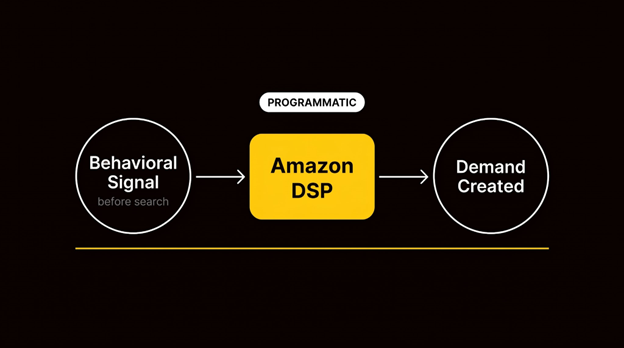
Sponsored ads on Amazon are powerful, but they only capture demand that already exists. If someone isn't searching for your product, keyword bidding can't find them. For DTC brands competing in crowded categories, that ceiling gets expensive fast. Amazon DSP breaks through it by reaching shoppers before they type a single search term, using behavioral data and programmatic precision to build demand upstream of the search bar.

Why Sponsored Ads Have a Growth Ceiling (And What DSP Does Instead)
Sponsored Products and Sponsored Brands are built to capture intent that already exists. They intercept shoppers who have already decided to search. That's valuable, but it's a limited pool, and every competitor in your category is bidding on the same searches. The moment demand plateaus, growth does too.
Explicit intent vs. inferred intent: the core difference
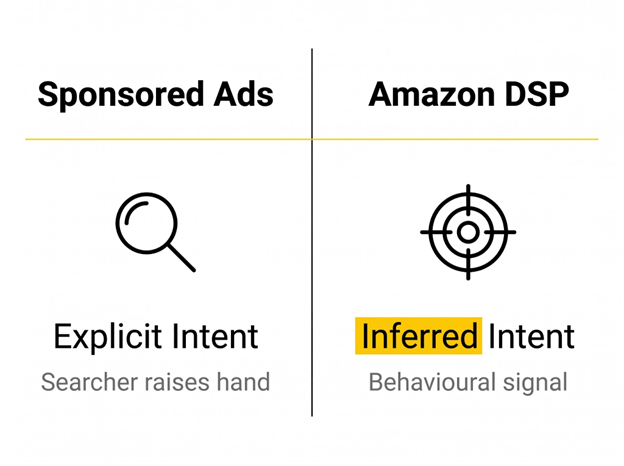
Explicit intent is straightforward: a shopper types "organic protein powder" and sees your ad. They raised their hand; you showed up. The problem is that every other brand is targeting those same keywords, which drives up costs and compresses margins.
Amazon DSP works differently. Instead of waiting for a hand to go up, it identifies shoppers based on behavioral signals like browsing history, category exploration, and past purchases. This is inferred intent, and it opens the door to a far larger audience.
The audience gap that keyword bidding can never close
Most shoppers haven't searched for your product yet. They may not know it exists. Keyword bidding structurally cannot reach them because there's no search event to trigger a bid. Amazon DSP closes that gap by drawing on behavioral data across Amazon's entire ecosystem to identify people likely in-market, even before they express it through search.
Amazon DSP Advertising: Reaching Shoppers Before They Search
Amazon DSP runs on programmatic logic: automated, data-driven ad buying that places your message in front of the right person without requiring a keyword trigger. It's the infrastructure that lets brands build new demand rather than only capture what already exists.
How programmatic buying works vs. keyword bidding
Keyword bidding is a direct auction: a shopper searches, and brands bid to appear against that exact term. No search, no bid. Programmatic buying removes the search trigger entirely. Amazon DSP uses real-time bidding across a broad inventory of placements, including Fire TV, IMDb, Twitch, and Prime Video, and thousands of third-party sites and apps. The system evaluates audience signals in milliseconds and bids based on whether the person matches targeting parameters rather than whether they typed a keyword.
Amazon's first-party data advantage and off-Amazon inventory reach
What separates Amazon DSP from other demand-side platforms is the depth of its first-party data. Amazon knows what shoppers browse, compare, add to cart, buy, and review at a scale no other platform matches. Brands using DSP aren't guessing at audience segments; they're targeting based on verified purchase behavior. Amazon Ads also recently launched AI-powered multi-signal targeting tactics for Display, Video, and Audio campaigns that combine behavioral and contextual signals for tighter audience precision.
Why DSP is the demand-generation layer your funnel is missing
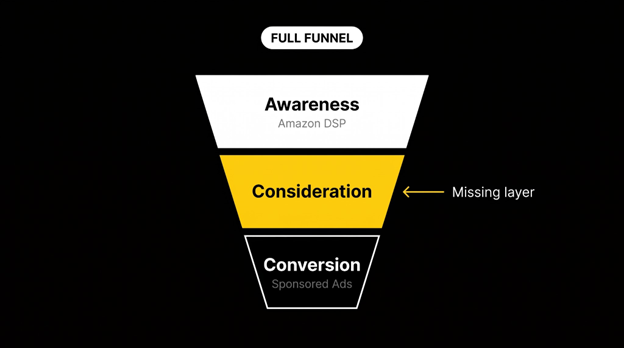
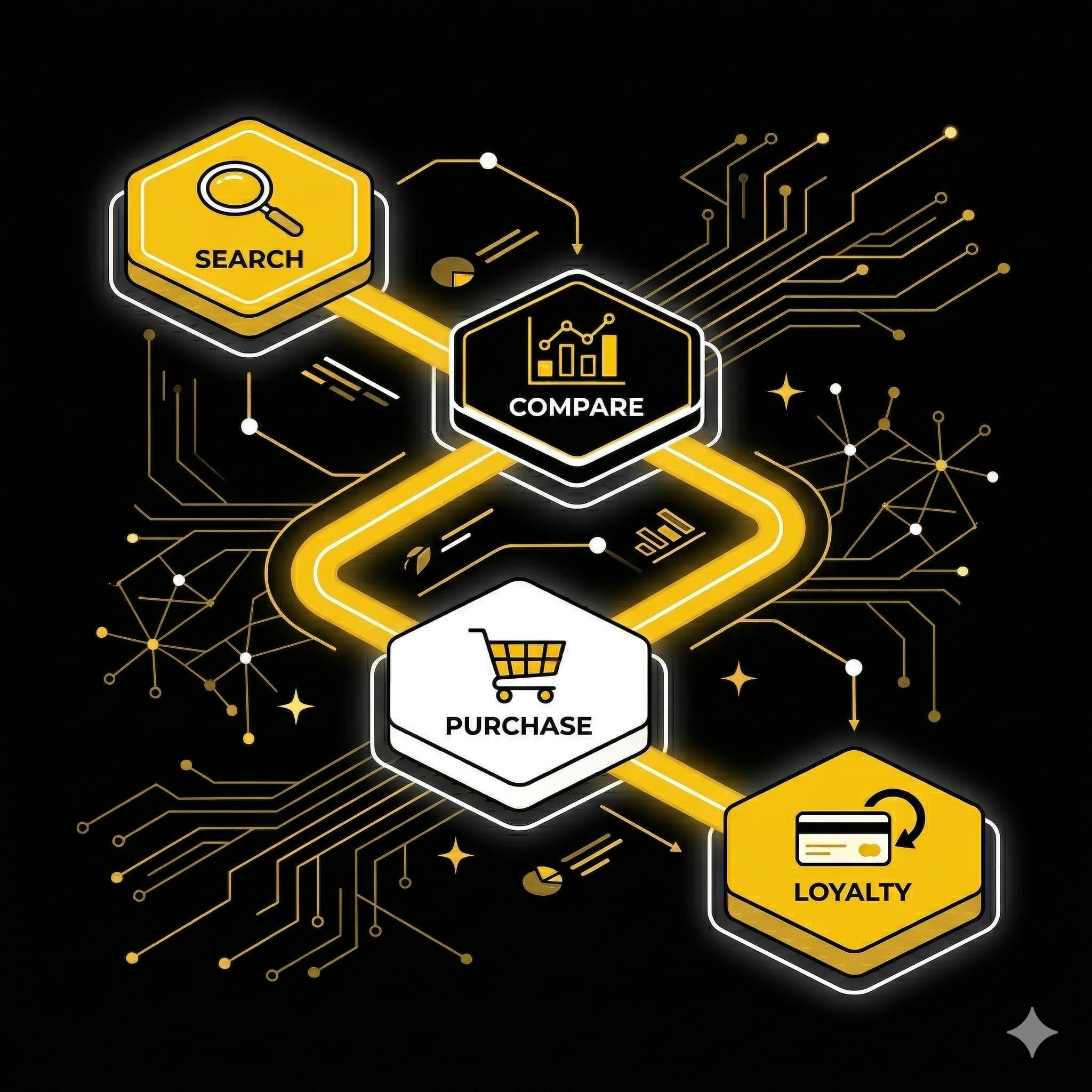
Most DTC brands have a bottom-of-funnel strategy and almost nothing above it. Sponsored ads convert searchers. Email retains buyers. But the middle of the funnel, where consideration is built and brand preference is formed, is often completely unaddressed. Amazon DSP fills that gap, introducing your brand to shoppers who are behaviorally similar to your best customers long before they start comparing options. Brands that invest there grow sustainably; brands that skip it end up perpetually bidding against the same pool of high-intent searchers.
Amazon Marketing Cloud: The Data Engine Behind Pilothouse's DSP Strategy
Running DSP without deep audience intelligence is speculative. Amazon Marketing Cloud (AMC) is the analytical engine that makes Pilothouse's approach precise.
How AMC works as a data clean room for audience intelligence
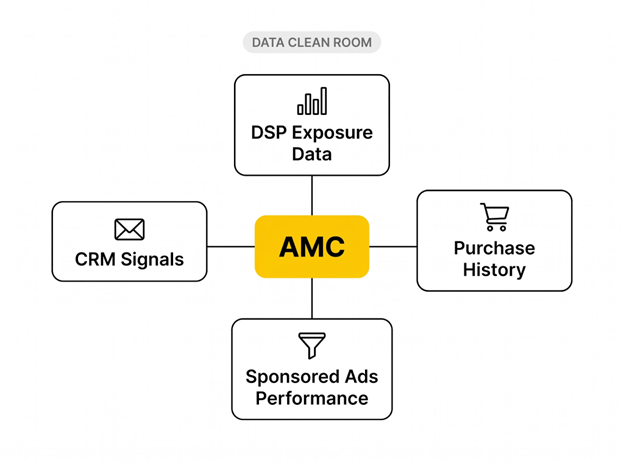
AMC is a privacy-safe, cloud-based clean room where advertisers can perform analytics and build audiences across pseudonymized signals spanning their entire Amazon advertising footprint. It connects DSP exposure data with Sponsored Ads performance, purchase history, and customer journey signals in ways standard dashboards never could. Advertisers can also combine AMC data with their own CRM and purchase records via pseudonymized signals, which allows cross-channel querying at the signal level. For Pilothouse, AMC drives every DSP campaign decision, from audience construction to creative sequencing.
Identifying competitor category browsers who didn't convert
AMC can identify shoppers who browsed competitor product detail pages but didn't buy. These are high-intent shoppers actively evaluating options in your category who haven't found the right answer yet. Pilothouse uses these segments to run precisely targeted display advertising that positions client brands as the better alternative at exactly the right moment. Where pre-built templates fall short, Pilothouse uses AI agents to write custom SQL queries that reach shoppers based on specific cross-channel behaviors (Ep 585: Amazon Marketing Cloud).
Building lookalike audiences from high-LTV cohorts
AMC makes it possible to isolate the highest-LTV customer cohorts by analyzing purchase frequency and repeat behavior, then use them as the seed for lookalike audience construction. Amazon lookalike audiences draw on AMC signals, the device graph, and household-level identity to scale mid-funnel reach. DSP campaigns built on these audiences reach shoppers most likely to behave like your best customers, which is a much more efficient starting point than broad demographic targeting.
Creative as the Targeting Lever: Resolving Inferred Intent
In Amazon DSP, creative and targeting aren't separate conversations. Creative is itself a targeting lever when it's built around psychological intent.
Using LLMs to map psychological intent clusters from search behavior
Search phrases reveal not just what shoppers want, but why they want it and where they are in the decision process. Pilothouse uses large language models to analyze search term patterns at scale, clustering them into psychological intent profiles. Someone searching "best collagen for aging skin" is in a different mental state than someone searching "collagen powder subscription deal." Those clusters reflect different emotional drivers, different objections, and different creative needs.
Shifting from interruptive persuasion to resolution-focused creative
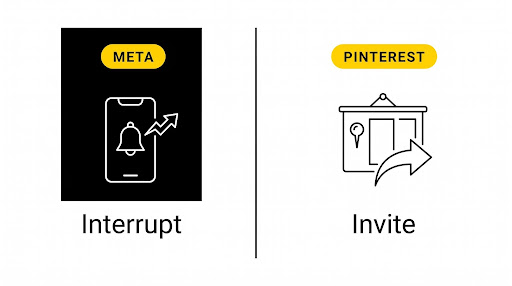
Traditional display advertising interrupts. Resolution-focused creative identifies the problem or question the audience is already carrying and positions the brand as the answer. When a DSP campaign reaches someone who has been browsing joint supplement categories without converting, the job of the creative isn't to grab attention; it's to resolve the tension already present. That distinction produces materially better engagement.
Why the right creative fingerprint routes the right answer to the right user
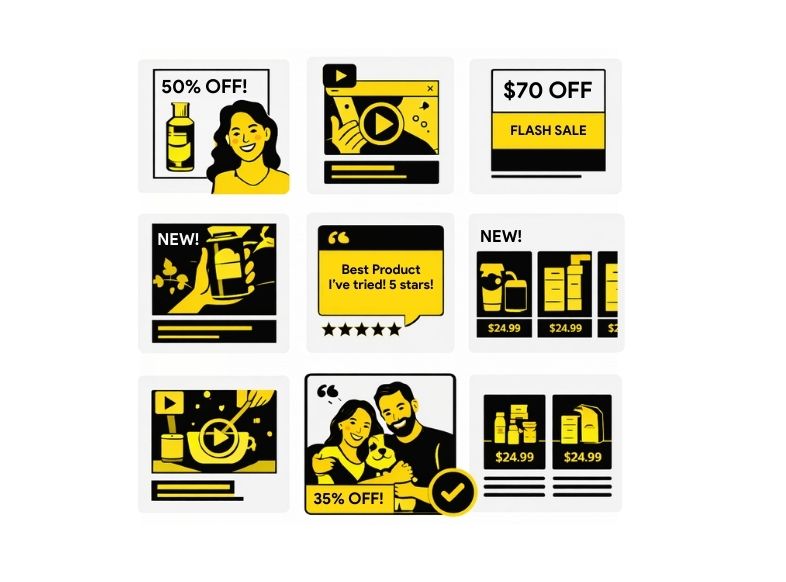
Every audience segment carries a different implicit question. The messaging angle and value proposition both need to match it. Pilothouse builds creative systems where each DSP audience segment gets a corresponding creative approach, so behavioral targeting precision isn't undermined by generic messaging.
Winning Off-Amazon: Where DSP Placements Capture Locked-In Attention
Off-Amazon placements are where DSP advertising creates upstream awareness, reaching shoppers when their attention is committed to content rather than comparison shopping.
News sites and mobile apps vs. passive TV viewing
When someone reads a news article on their phone or engages with a content app, their attention is active and focused. DSP placements in these environments interrupt active consumption, which creates stronger memory encoding than passive TV viewing. When a shopper is engaged with a mobile app, the focused device context creates a high-value window to demonstrate product value (Ep 52: When You Find a Winner: Four Ways to Iterate on Creator Content). A shopper encountering your brand on a high-attention editorial platform is more likely to recall it when they later enter the search environment.
How off-Amazon placements build consideration upstream of search
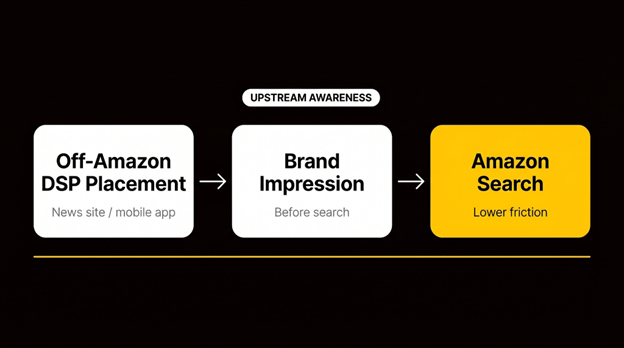
The path to purchase rarely starts with a search. Off-Amazon DSP placements intercept early-stage awareness moments and plant a brand impression before the shopper opens Amazon. When they eventually search in your category, your brand isn't a stranger. That familiarity reduces friction between first exposure and first purchase, which tends to show up clearly in both conversion rates and CPAs on Sponsored Ads.
Proving DSP Performance: Incrementality Reporting with AMC
Last-click attribution gives DSP zero credit when a shopper sees an ad on a news site and converts through a Sponsored Product three days later. AMC solves this with multi-touch incrementality analysis that shows what DSP exposure actually did across the customer journey.
How DSP exposure lifts conversion rates on Sponsored Products and Sponsored Brands
AMC compares the behavior of shoppers exposed to DSP ads against those who weren't. The DSP campaign warms audiences who then engage with bottom-of-funnel ads more readily, a relationship between channels that should drive budget allocation decisions, not last-click snapshots. Amazon also introduced a shopping-signal enhanced last-touch attribution model in January 2026, bringing standardized Purchases, Sales, and ROAS reporting to eligible Store ads and Amazon DSP campaigns.
The metrics that actually matter across the funnel
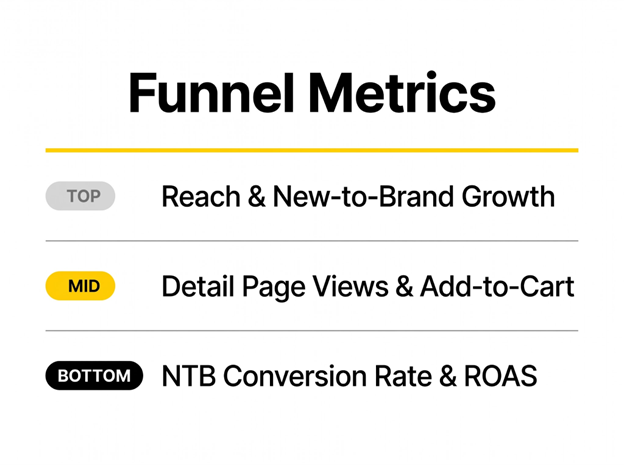
Standard DSP reporting underrepresents true campaign value. At the top of the funnel, reach, frequency, and new-to-brand audience growth indicate whether you're expanding beyond existing shoppers. In the middle, detail page view rates and add-to-cart activity signal growing consideration. At the bottom, new-to-brand conversion rate and ROAS within AMC's multi-touch model reveal full revenue impact.
How Amazon DSP Levels the Playing Field for DTC Brands Against Billion-Dollar Competitors
As ad spending on Amazon intensifies and larger competitors crowd search results, smaller DTC brands must find efficient audience pockets that aren't purely bid-based (Ep 607: Rufus Reads Your Images – Why 40% of Amazon Searches Are Already AI-Driven). Amazon DSP narrows the gap: the first-party data Amazon holds is available to all advertisers, so a $10M DTC brand can target with the same behavioral precision as a much larger one.
Even on generic keywords, AMC-built audiences can lower ACOS by ensuring ads only serve to shoppers who have already signaled they're qualified for a specific product, like overlaying an outdoor enthusiast audience on a broad term like "cooler" (Ep 585). When a DTC brand invests in demand generation through Amazon DSP while a larger competitor relies entirely on keyword defense, the DTC brand builds an audience the competitor can never bid away.
Working with Pilothouse on Amazon DSP Advertising
Access to Amazon DSP is necessary but not sufficient. The platform's capabilities are only as good as the strategy, audience architecture, and creative execution built on top of it.
Pilothouse integrates AMC analysis, creative strategy, and media buying into a single coordinated system. Audience segments are built from real customer data rather than platform defaults, creative is developed around psychological intent clusters, and campaign structures are designed for incrementality measurement from day one. Pilothouse has worked with brands globally, including Benchmade, Hestan Culinary, Big Blanket, and Four Sigmatic, which means the team carries real operational pattern recognition from years of execution across competitive categories. Results from that work are documented in the Four Sigmatic case study and additional case studies.
Frequently asked questions about Amazon DSP for DTC brands
What is Amazon DSP?
Amazon DSP is a programmatic advertising platform that lets brands buy display, video, and audio inventory on Amazon-owned properties and third-party sites, using Amazon's first-party shopping and browsing data for audience targeting.
How is Amazon DSP different from Sponsored Ads?
Sponsored Ads are keyword-triggered and capture existing search demand. Amazon DSP is audience-triggered and builds demand by reaching shoppers before they search. Both serve different funnel stages and work better together than in isolation.
How much budget do I need for Amazon DSP?
Amazon sets minimum spend thresholds for managed DSP access. Working with a specialized partner helps brands allocate budget efficiently across audience segments and avoid spreading spend too thin across too many placements early on.
How is Amazon DSP performance measured?
Pilothouse uses AMC to run multi-touch incrementality analysis, connecting DSP exposure to downstream conversion behavior across the full customer journey, well beyond last-click attribution.
How do I get started with Amazon DSP?
If you're ready to move past the keyword ceiling and build a demand-generation layer that compounds over time, Pilothouse is built for exactly that conversation.




%20(1).jpg)







.png)



.webp)


.webp)