


Social Proof Advertising That Sells: How Pilothouse Uses Reviews, Numbers, and Testimonials in Ad Creative

Most buyers don't decide to purchase because of a clever headline. They decide because something made them feel safe. That something is social proof, and when it shows up in the right ad at the right moment, it resolves hesitation faster than almost any other creative approach. Social proof advertising isn't a nice-to-have layer on top of performance creative. It's the mechanism that bridges the gap between interest and action, especially for DTC brands competing in crowded digital channels.
At Pilothouse Digital, social proof isn't treated as an afterthought. It's built into the creative system from the beginning, structured to match funnel stage, buyer psychology, and channel behavior.

Social Proof Advertising as a Funnel Resolution Tool
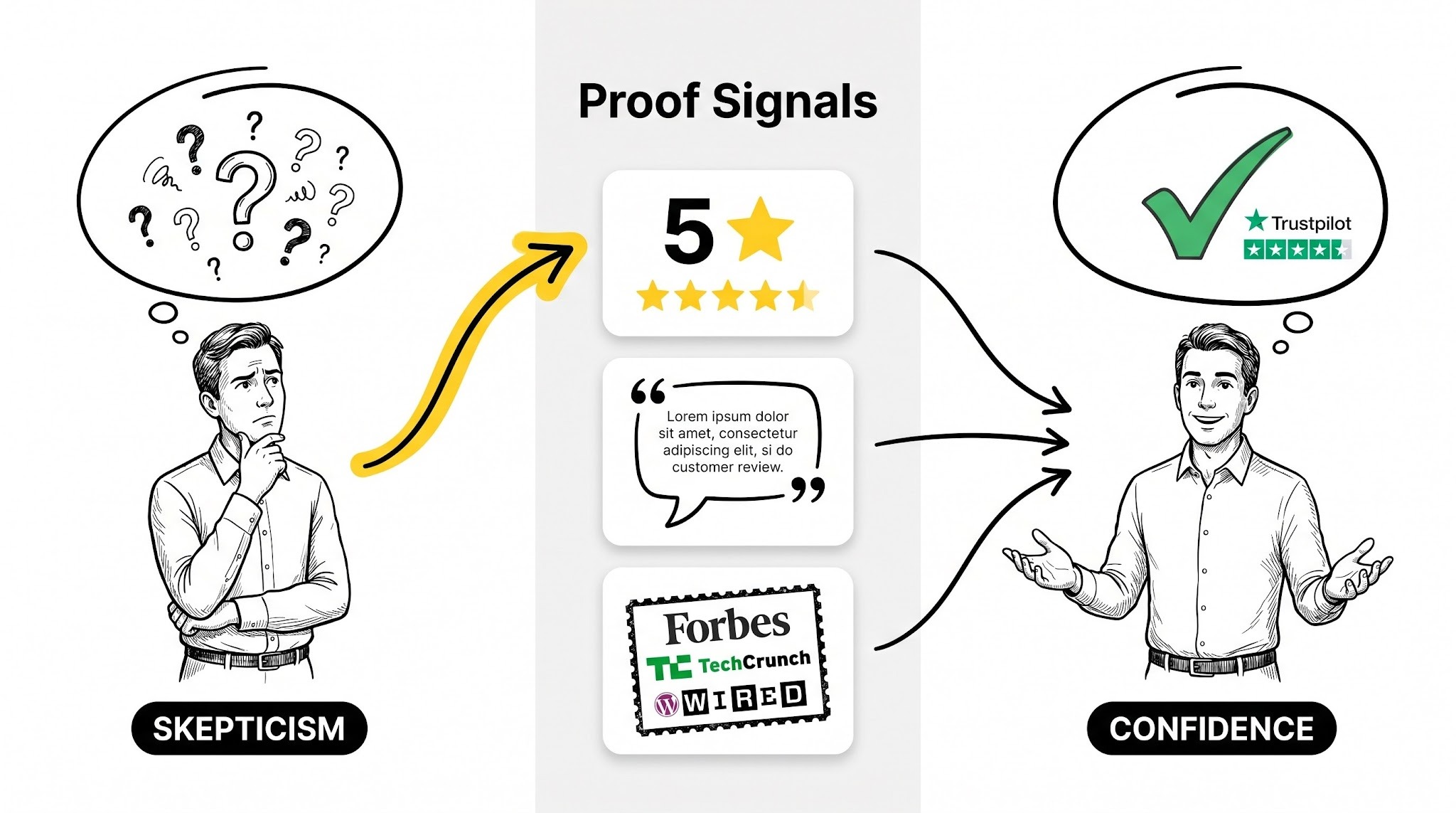
Buyers don't hesitate because they lack information. They hesitate because they lack confidence. That distinction changes how brands should approach creative strategy entirely.
Why Anxious Buyers Need Proof Before They Click
The social proof principle rests on a simple psychological truth: people look to others when they're unsure what to do. When a buyer encounters a product for the first time, their default state isn't curiosity. It's skepticism. They're quietly asking: Has anyone else tried this? Did it actually work? Am I going to regret handing over my card details?
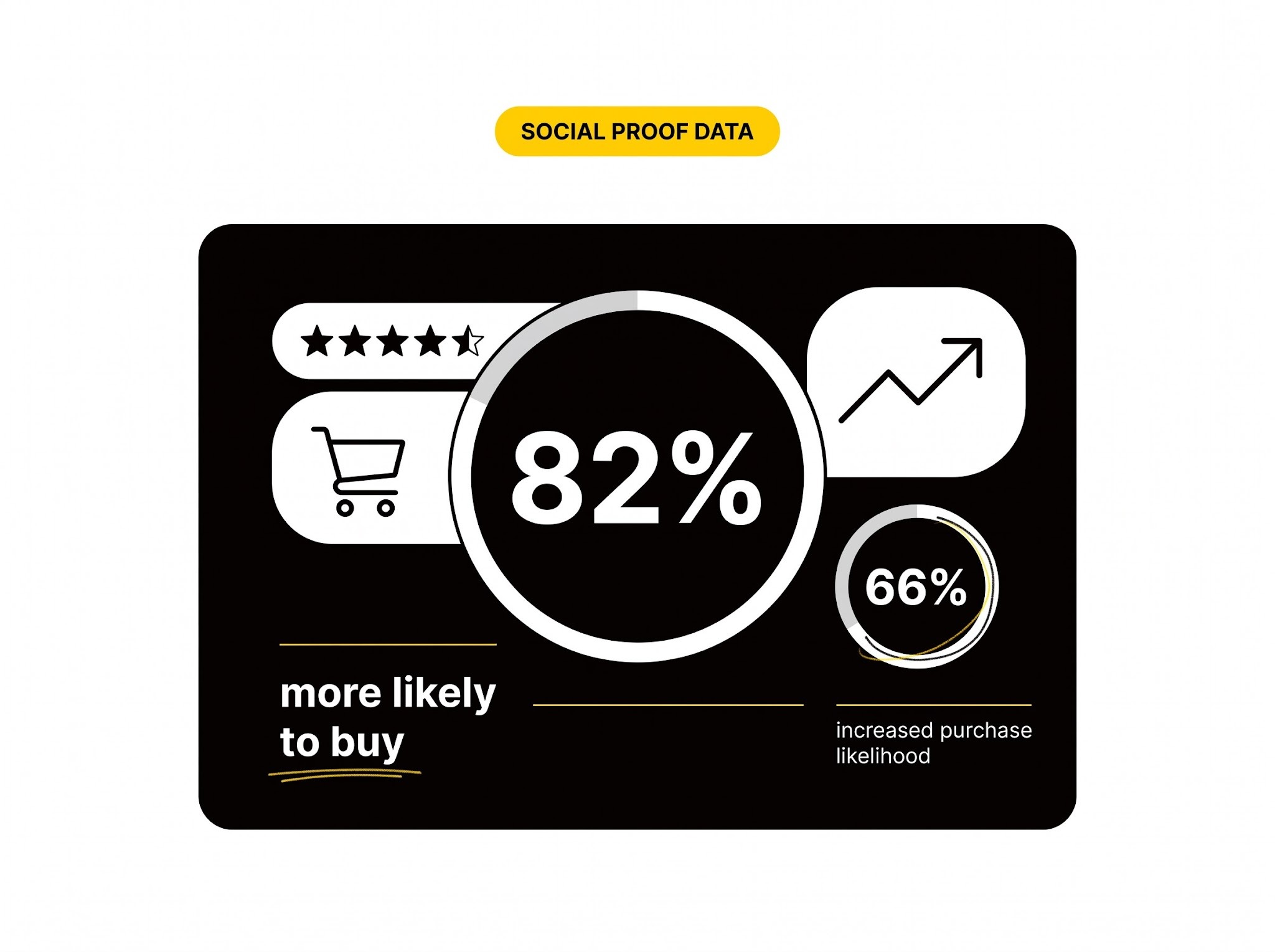
Social proof answers those questions before the buyer even has to voice them. A testimonial puts a real person in the ad who confirms their experience. A review count signals that enough buyers have formed a credible opinion. A publication mention says someone with authority vetted the brand and it passed. Research backs this up: 66% of customers report increased purchase likelihood when social proof is present, and 82% of consumers say positive star ratings and reviews made them more likely to buy (Trustpilot, 2019). Each signal reduces friction at the cognitive level, and lower friction means higher conversion rates. Each signal reduces friction at the cognitive level, and lower friction means higher conversion rates.
Where Social Proof Fits: Middle and Bottom of the Funnel

Social proof carries the most weight when buyers already know what the product is but haven't yet committed. That's the middle and bottom of the funnel, where someone is weighing options and deciding whether to trust the brand enough to click. Top-of-funnel creative typically leans on awareness and emotional resonance. The further down the funnel a buyer travels, the more they need proof to push them over the edge.
This is why social proof advertising consistently shows up in retargeting campaigns, cart abandonment sequences, and comparison-stage creative. eCommerce social proof is particularly effective here because the purchase decision happens in a low-trust environment. There's no salesperson, no tactile experience, and no guarantee until after the click.
Static Ad Executions That Build Immediate Confidence
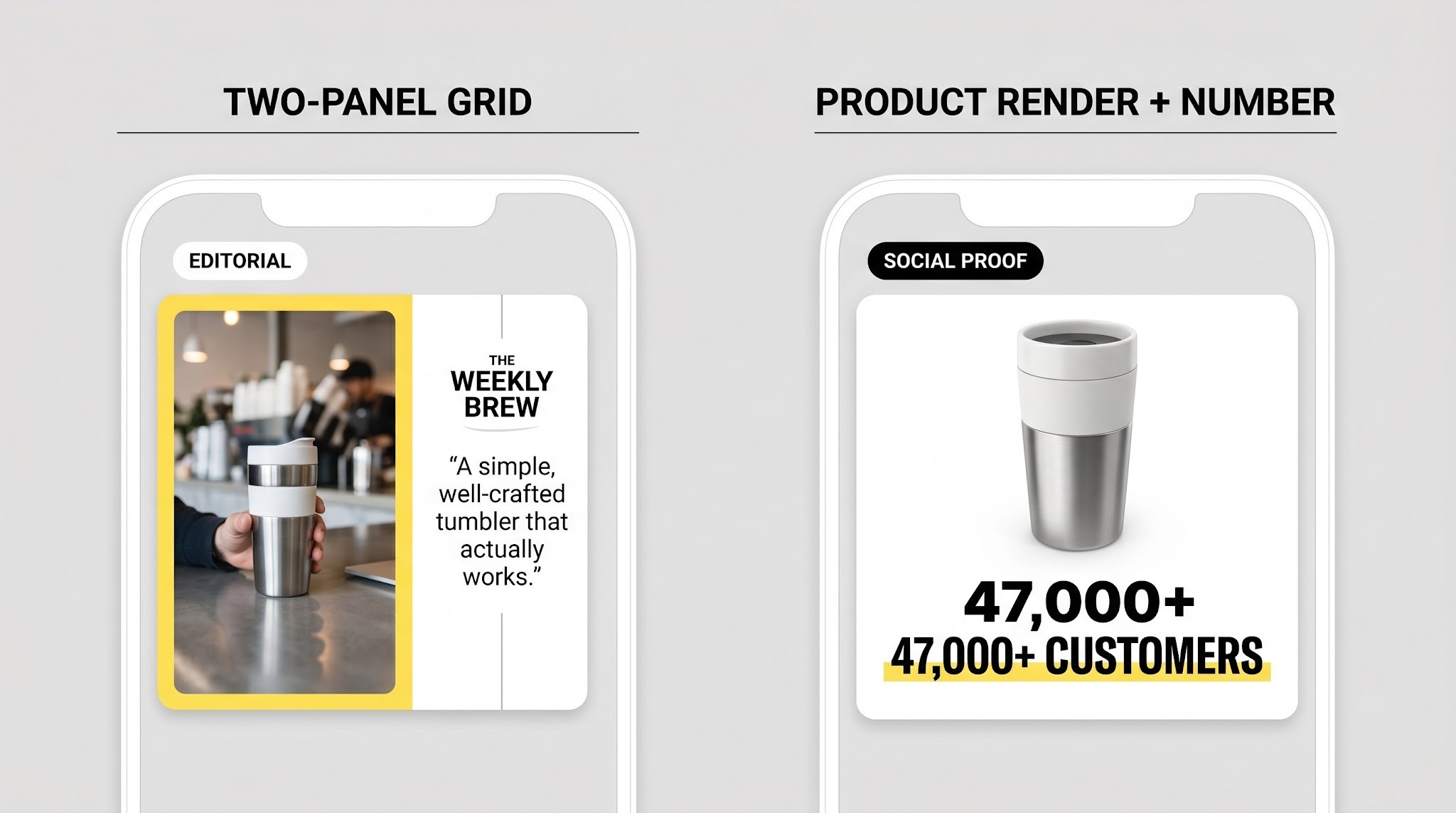
Static ads are remarkably effective at delivering social proof messaging quickly. When someone is scrolling, a clean static ad with the right proof elements can communicate credibility in under two seconds. The key is knowing which formats deliver that impact most reliably.
The Two-Panel Grid: Lifestyle Imagery Meets Publication Authority
One of the most effective static formats is the two-panel grid. One side shows lifestyle imagery of the product in use; the other displays a publication logo, press mention, or "As Seen In" editorial quote. The contrast does real work here. Lifestyle imagery makes the product feel aspirational and tangible, while the publication authority adds third-party validation from a source the buyer already trusts.
This format layers two different types of proof in a single glance. Lifestyle imagery connects the product to an identity the buyer wants to inhabit. The editorial endorsement adds rational backing that justifies the emotional pull. Together, they compress a confidence-building process that might otherwise take multiple touchpoints into a single ad unit.
Product Renders With Hard Numbers That Stop the Scroll
Product renders paired with hard numbers are another reliable static format. A customer count, a satisfaction rating, a units-sold figure, all of these qualify as advertising proof. What matters is that the number is specific, credible, and immediately legible.
Vague claims like "customers love it" or "highly rated" don't carry much weight anymore. Buyers have developed a strong filter for generic phrasing. A specific number displayed clearly against a clean product render reads as a data point rather than a sales claim. That distinction matters: specificity consistently outperforms generality because it signals the brand is confident enough to be precise. Any numbers used in real ads must be verifiable. That's a responsible advertising standard, and it reinforces the credibility the ad is trying to earn in the first place.
Demand-Based Proof: Turning Scarcity Into a Sales Signal
Demand-based proof operates through a different psychological lever than reviews or ratings. Instead of telling buyers that others liked the product, it tells them that others are actively competing for it.
"Sold Out in 2 Hours" and Other Behavioral Proof Messages
A message like "Sold out in 2 hours" does something testimonials can't do on their own. It creates urgency rooted in real behavior. The buyer isn't just hearing that people liked the product. They're seeing evidence that demand exceeded supply, which is one of the most powerful signals of desirability a brand can communicate.
These behavioral proof messages work because they're observable facts. The message implies a large enough customer base that supply couldn't keep up, and that inference builds trust faster than any manufactured claim. Used in retargeting creative, this type of eCommerce social proof can recover buyers who left without purchasing by reminding them that the window to act may be narrowing.
How Restock Language Validates Ongoing Desirability
Restock language extends the demand signal beyond a single sell-out event. Phrases like "Back in stock by request" or "Restocked due to demand" tell buyers that the product's popularity is ongoing, not a one-time spike. This reframes the purchase decision. Instead of "Should I buy this?" the buyer is now asking "Can I still get this?" That shift in framing favors action.
A brand doesn't need to manufacture scarcity to use this approach. If a product genuinely restocked because demand warranted it, that fact is worth communicating. Buyers who encounter it at any stage of their consideration journey receive a consistent signal that others are pursuing the same product.
Keeping Social Proof Alive Without Losing Ad Momentum
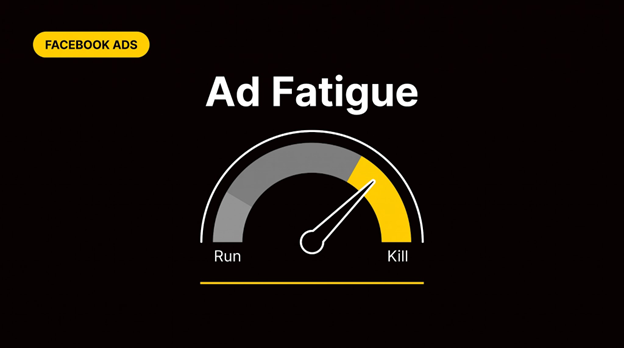
Social proof messaging goes stale if left to run without support. Ad fatigue sets in, engagement drops, and the proof that once felt compelling starts to blend into the background. The brands that keep social proof working treat it as a living system, not a single campaign.
Running Awareness and Sales Campaigns Together to Generate Chatter

One of the more counterintuitive strategies in social proof advertising is running awareness and direct-response campaigns simultaneously. When buyers see an ad and notice others commenting, sharing, or tagging friends, that organic activity becomes social proof in its own right. The awareness side creates visibility and audience engagement that retargeting creative can later reference.
This is a deliberate part of how Pilothouse Digital structures campaigns for DTC brands. It's a closed loop: paid media activity generates organic signals, and those signals get reintegrated into subsequent creative. The result is a brand that always has fresh proof to work with, even in mature campaigns. One important note: inserting an unnecessary landing page between an ad and a product page just to display social proof creates friction that can hurt conversion rates. Proof should be embedded in the ad itself, not used as a barrier.
Creative Testing That Preserves Engagement Across Funnel Splits
Creative testing in social proof advertising has to account for funnel stage. Testing a review-heavy format against a number-focused one without controlling for where the buyer sits will produce noisy results. A buyer in the awareness phase responds differently to proof than one in the retargeting phase.
When testing new landing pages or funnels, using features that allow destination URL changes without resetting an ad's accumulated likes and comments protects the live social proof that gives ads credibility. Losing that engagement history resets the momentum a campaign has built, and recovering it takes real time and budget. Preserving it is a structural advantage.
Persona-Specific Proof: Showing Buyers Someone Like Them
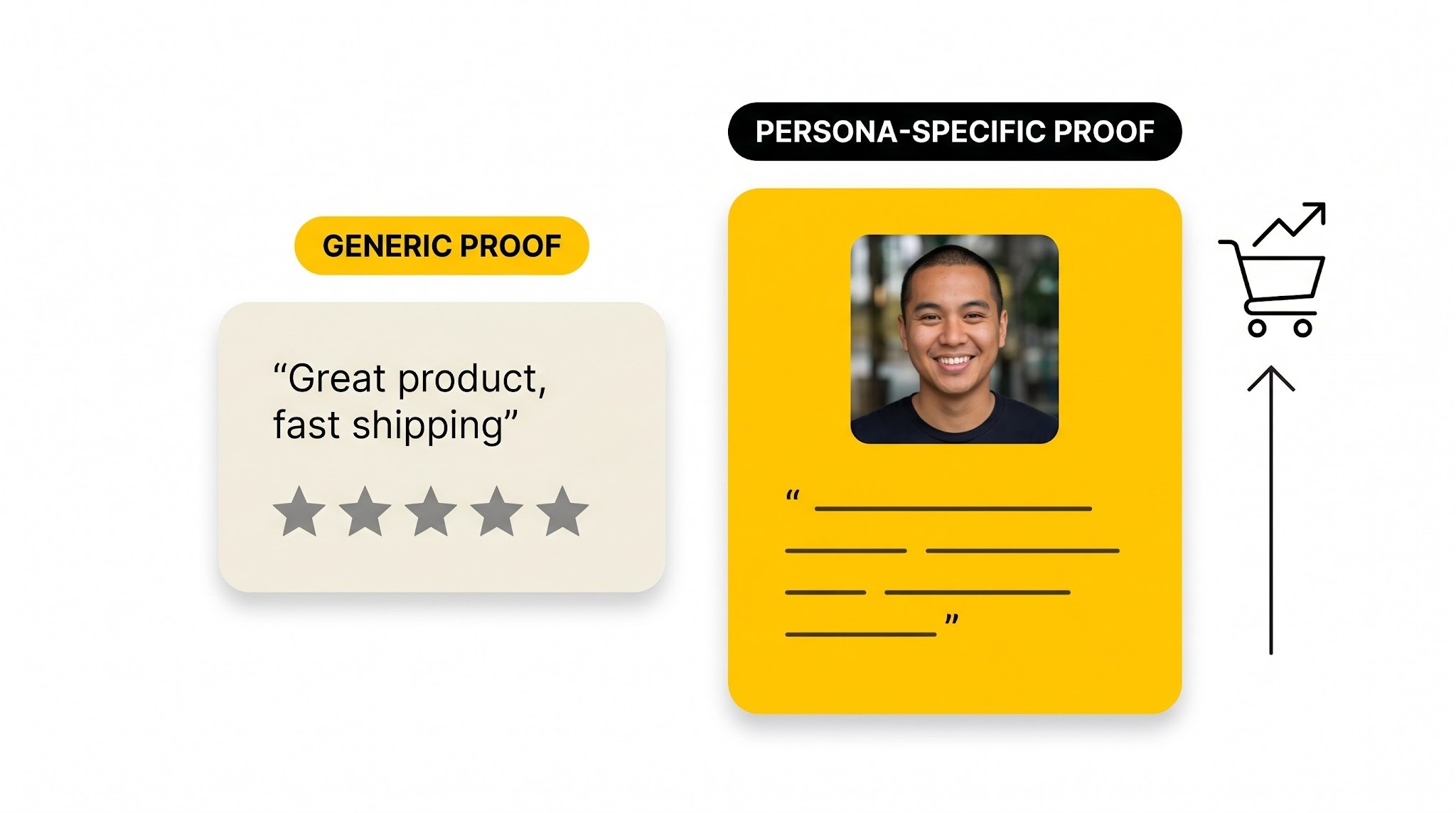
Generic social proof is better than no proof. But persona-specific proof is significantly more powerful because it answers a question buyers hold privately: "Does this work for someone like me?"
Creator-led UGC and testimonials reach their highest conversion potential when they reflect the actual emotional experience of the target buyer. A review that says "Great product, fast shipping" provides minimal persuasion value. A testimonial that says "I've tried every version of this and this is the only one that worked for my situation" creates immediate identification for anyone who shares that context.
Creator-led content achieves this at scale. When a creator whose audience mirrors the brand's ideal customer shares a genuine experience, the testimonial carries authenticity that paid copy rarely replicates. The creative brief needs to leave space for the creator's real voice, real context, and real emotional response, not a scripted endorsement that reads as transactional. Placing persona-specific testimonials near CTAs, where final hesitation peaks, is where they do the most work.
Building a Social Proof Ad System That Scales With Your Brand
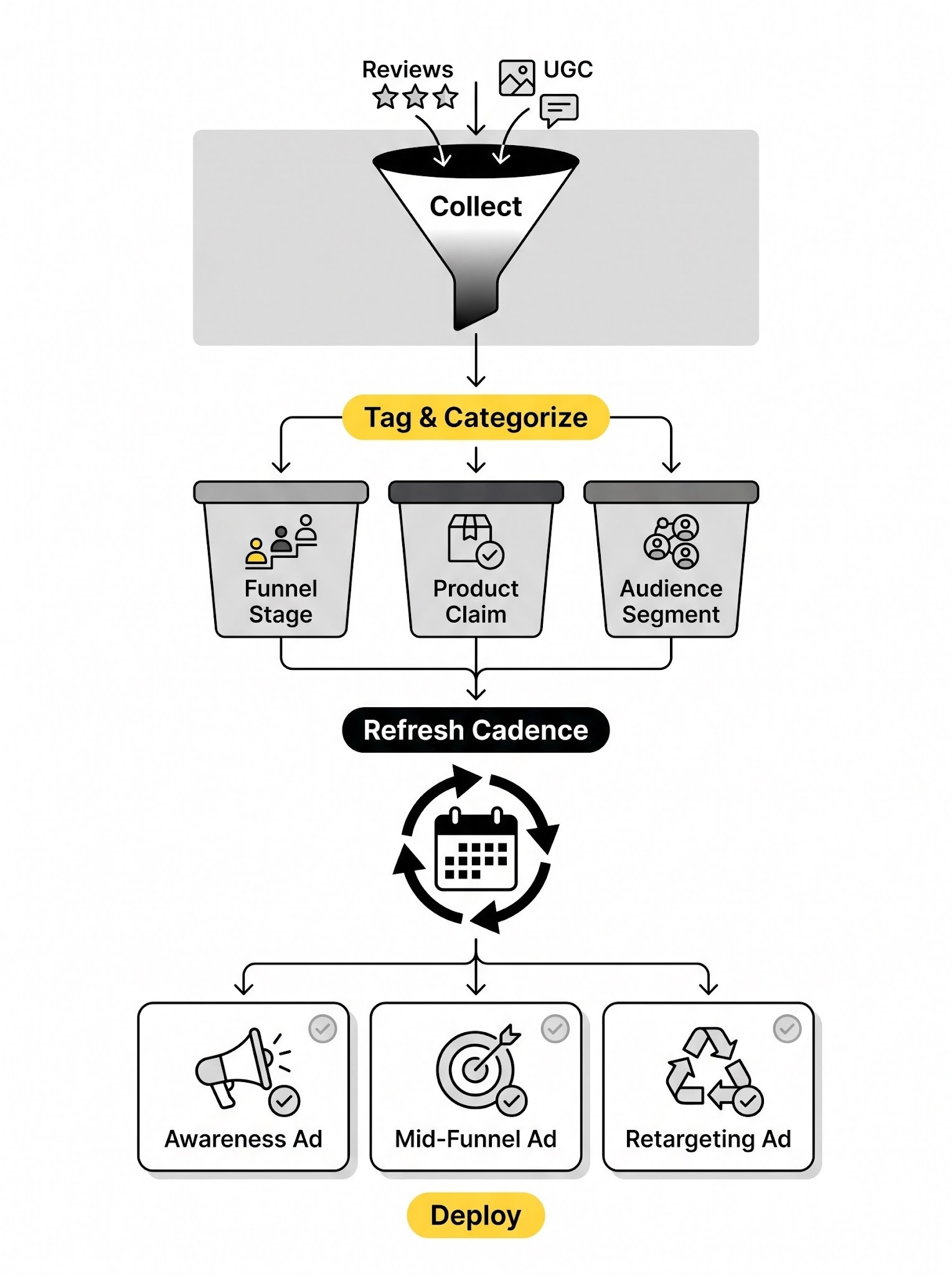
Collecting one great testimonial and running it in an ad is a tactic. Building a system that continuously surfaces, curates, and deploys social proof across every campaign is a competitive advantage.
A scalable system starts with tagging and categorizing proof assets by funnel stage, product claim, and audience segment. This ensures creative teams pull the right proof for the right context rather than defaulting to the same testimonial everywhere. Not every five-star review is ad-ready. The ones that perform in paid creative are specific, emotionally resonant, and tied to a real outcome the buyer actually cares about.
The system also needs a refresh cadence. Proof ages. Research shows 86% of customers are most likely to purchase when they see ratings and reviews on the homepage, and 85% are most likely to purchase when they see them on the product page (Trustpilot, 2019), but stale or outdated testimonials undermine that effect. A review tied to a discontinued feature, or a volume number that hasn't been updated in months, erodes credibility rather than building it. Refreshing proof assets is a lifecycle discipline, not a one-time setup.
At Pilothouse Digital, proof decisions connect to audience segment, offer, creative format, and funnel stage as a unified system, not a series of isolated tactics. That integration is what separates a social proof strategy that scales from one that plateaus.
How Pilothouse Puts Social Proof to Work for DTC Brands
Pilothouse works with brands across categories including Benchmade, Hestan Culinary, Big Blanket, Chamberlain Coffee, and General Mills, embedding social proof throughout creative and media strategy. The team's case studies demonstrate how proof is mapped to funnel stage from the start: publication authority and demand signals in awareness, testimonials and UGC in mid-funnel, and specific reviews with behavioral proof in retargeting.
For brands ready to build a real social proof ad system rather than running scattered campaigns, Pilothouse offers the strategic depth and execution infrastructure to make it work across Meta, TikTok, Google, and beyond. Visit Pilothouse Digital to learn more.


%20(1).jpg)







.png)



.webp)


.webp)