


Meta Pixel Optimization: Breaking the 65+ Demographic Loop

Meta's advertising algorithms drive billions in revenue, but many DTC brands face a frustrating problem. Their campaigns keep delivering to the 65+ demographic despite targeting younger, high-value customers. The algorithm finds these conversions easy to obtain, creating a feedback loop that starves valuable segments of ad spend. Breaking this pattern requires understanding how Meta's AI systems evaluate creative and how pixel data shapes audience delivery in the Andromeda era.

The Easiest Conversion Trap: Why Meta Defaults to 65+ Demographics
Meta's algorithm optimizes for what it knows works. When campaigns deliver conversions from older demographics, the system sees success and doubles down. These conversions often cost less because competition for 65+ audiences tends to be lighter. The Meta Pixel tracks these conversions and feeds data back to Meta's AI systems, which then allocate more budget toward this path of least resistance.
The Short-Term CPA Trap
The problem emerges when brands prioritize short-term cost per acquisition over long-term customer value. Younger demographics might cost more to acquire initially, but they often deliver higher LTV through repeat purchases and brand loyalty.
How the Feedback Loop Locks In
Meta's advertising platform operates through two primary AI systems. Andromeda, the retrieval engine that began rolling out in late 2024 and became a core part of Meta's ad infrastructure through 2025, reads creative signals to determine which ads enter the auction and which audience profiles they get matched with. Lattice handles ranking and multi-objective optimization. When the Pixel registers conversions from 65+ users, Andromeda associates the creative with that demographic profile, analyzing engagement patterns and conversion behaviors to build audience models.
This creates a self-reinforcing cycle. Each conversion from the 65+ segment strengthens the algorithm's confidence in that audience match. Budget flows toward these conversions because they meet the campaign's optimization goal. High-value segments get starved of impressions because they haven't had the opportunity to convert at scale. When campaigns exit the learning phase after reaching 50 optimization events within 7 days, Meta locks in these delivery patterns. Budget changes over 20% can trigger learning resets, but this doesn't solve the underlying audience drift (Code3).
Creative Is the New Targeting: Meta Pixel Optimization in the Andromeda Era
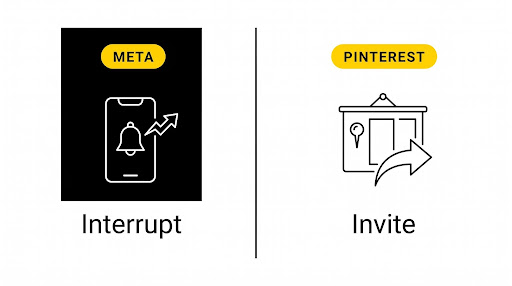
Meta's shift toward AI-driven delivery fundamentally changed how campaigns reach specific demographics. The Andromeda retrieval system flipped traditional targeting models. Creative content now signals to the algorithm which audiences should receive delivery. Visual elements, copy choices, and messaging angles tell Meta's systems more about intended audiences than manual demographic selectors ever could.
Why Advantage+ Automation Amplifies the Problem
This evolution reflects Meta's broader move toward open targeting and Advantage+ automation. The platform encourages advertisers to remove restrictive audience parameters and let the algorithm find optimal users. This only works when creative provides clear signals about the desired customer profile. Vague or generic ads get delivered to whoever converts easiest, typically the 65+ demographic trap.
Manual audience segmentation tactics that worked in earlier campaigns no longer deliver the same results. Detailed targeting options have diminished, and the algorithm often overrides specified parameters when it identifies better conversion opportunities. Advantage+ Creative adjusts visuals and text to match audience responses, but it optimizes within the audience the campaign already reaches. If the Pixel has associated the creative with 65+ demographics, Advantage+ Creative will refine messaging for that segment rather than redirecting delivery to younger audiences.
Creative as the New Demographic Selector
The strategic shift requires treating each creative as a targeting mechanism. Brands must design ads that speak directly to specific demographic pain points, use cultural references that resonate with particular age groups, and employ visual styles that appeal to desired segments. When Andromeda evaluates these creative elements, it matches the content to users with similar profile characteristics.
One Pilothouse case demonstrated this principle by deploying a dedicated strategy of ads speaking exclusively to younger personas. This shifted the highest spending audience from 65+ to 35-44 for the first time, contributing to their biggest Black Friday ever, with revenue exceeding goals by 5% (Source: Abby Kohler and Henry Banfield, Ecommerce Strategists at Pilothouse, Ep 546: How Pilothouse's Strategy Team Transformed Ad Accounts & Grew Audiences by DTC Podcast).
The Meta Pixel tracks engagement and conversion patterns from these persona-specific creatives. As younger demographics interact with content designed for them, the Pixel builds new audience associations, and Andromeda begins delivering to similar user profiles.
Creative Diversity Over Iteration: What the Pixel Actually Wants
Meta's algorithm responds differently to creative variation versus creative iteration. Many advertisers test minor variations, changing button colors, headline phrasing, or image cropping. The Meta Pixel and Andromeda system recognize these as similar content. When multiple ads look and say essentially the same thing, the algorithm treats them as a single creative concept competing for the same audience space.
Why Minor Variations Backfire
Real creative diversity means developing fundamentally different concepts. Each creative should present a distinct visual identity, messaging angle, and value proposition.
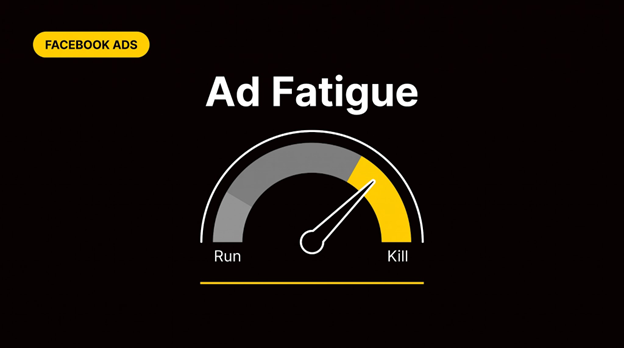
The Meta Pixel flags similar creative variations as redundant content. When the system detects that ads use comparable visual elements, copy structures, or hooks, it assumes audience overlap. This triggers creative fatigue mechanisms that reduce engagement rates over time. Meta's systems penalize this by limiting reach.
Creative fatigue happens faster with iteration than diversity. Five ads showing the same product from different angles exhaust audience interest quickly because the core message remains constant. This penalty compounds in the learning phase. When campaigns launch multiple similar creatives simultaneously, the algorithm struggles to differentiate their performance. None reach the 50 conversions needed to exit learning because the budget spreads across redundant concepts.
Building Concepts for Different Demographic Buckets
Effective Meta Pixel optimization requires treating different demographics as distinct audience buckets requiring unique creative approaches. A concept designed to appeal to 25-34 year olds should look, sound, and feel different from creative targeting 45-54 year olds. Visual styles, cultural references, problem framing, and solution presentation should all shift to match each demographic's perspective.
As Pilothouse strategist Taylor Cain shares their creative diversity drove a 30% increase in outbound click-through rates year-over-year for one Meta advertising campaign managed (Ep 567: Ecom CMOs: How Pilothouse Used Meta’s Update to Drive 30% Higher CTR with Fewer Campaigns by DTC Podcast). The improvement came from developing genuinely different concepts rather than testing minor variations. Higher CTR helped offset rising CPMs by improving traffic quality. The algorithm interpreted strong engagement as validation that creative accurately matched audience interests.
The 3-Second Rule: How Andromeda Evaluates Your Creative
The opening 3-5 seconds of video content carry disproportionate weight in how Meta's system reads creative signals and determines audience matching. While Andromeda operates as a retrieval engine selecting ad candidates rather than a video reviewer, the visual and contextual signals packed into those opening frames shape which users your ad gets matched with. Visual hooks, opening statements, and the immediate context of those first few seconds all factor into how the system categorizes your content and determines audience fit.
The retrieval engine analyzes multiple signals during these opening seconds. Who appears on screen, what environment they inhabit, what problem they're facing, and how the brand presents itself all contribute to audience matching. A video opening with a grandmother in a kitchen signals different demographics than one starting with a young professional in an office setting.
Why Opening Visuals Direct Demographic Delivery
Visual hooks function as demographic directors for the algorithm. The people featured, their appearance, age representation, and activities communicate who the brand considers its target audience. Andromeda uses these visual signals to match ads with users who share similar profile characteristics. When creative consistently shows older individuals in the opening frames, the system associates the content with 65+ demographics regardless of actual product suitability for younger users.
This explains why changing surface-level elements doesn't break demographic loops. Swapping product shots or adjusting copy while maintaining the same visual style and cast keeps the same demographic signals intact.
Tactical Visual Changes That Redirect Delivery
Redirecting delivery to younger demographics requires deliberate changes to opening visual elements. Featuring individuals in the target age range immediately signals intended audience to Andromeda. Using visual styles, aesthetics, and production approaches that appeal to younger preferences reinforces this signal.
Product presentation matters as much as people. Showing products in use cases relevant to younger lifestyles communicates audience intent. A skincare product demonstrated in a quick morning routine appeals differently than one shown in a leisurely evening ritual. The context and pacing signal which demographic would find the content relevant.
Environment and setting provide additional context. Modern, minimalist spaces suggest different demographics than traditional, established environments. These visual elements form the data points Andromeda uses to categorize content and predict audience fit.
Persona-Led Research: Mining Reddit and Customer Comments
Breaking demographic loops starts with understanding what actually resonates with target audiences. Generic assumptions about younger demographics lead to creative that technically features the right age group but fails to connect authentically. Persona-led research grounds creative development in real pain points, language patterns, and perspective shifts that define how different demographics approach problems.
Reddit discussions and customer comments provide direct insight into how various age groups think about product categories. The language they use, problems they prioritize, and solutions they value differ significantly across demographics. A 65+ customer might focus on reliability and simplicity, while a 30-year-old emphasizes efficiency and integration with existing workflows.
Identifying Pain Points That Signal Target Demographics
Effective research focuses on discovering the specific problems younger demographics experience that older segments don't prioritize. These pain points become the foundation for creative that naturally appeals to the desired age group. When Andromeda evaluates content addressing these specific concerns, it matches the creative to users exhibiting similar problem awareness.
Research should identify not just what problems matter but how different demographics discuss them. Word choice, tone, and framing all vary. Creative using language patterns that match the target demographic feels authentic to those users while simultaneously signaling audience intent to Meta's algorithm.
Translating Research into Actionable Creative Direction
Research insights must translate into specific creative decisions. "Make it feel younger" doesn't provide actionable guidance. "Show the product solving the morning rush problem for working parents" gives creative teams concrete scenarios to execute.
Translation requires connecting pain points to visual and copy choices. If research reveals that younger demographics value transparency about ingredients, creative should feature this information prominently. If time efficiency emerges as critical, visual pacing and copy structure should reflect urgency and speed. These choices align creative with audience priorities while providing clear signals for Andromeda's evaluation.
Authenticity matters in the AI-driven Meta ads platform. The algorithm measures engagement depth, not just clicks. When creative genuinely resonates with the target demographic, users spend more time with the content and convert at higher rates. The Meta Pixel captures these quality signals, reinforcing to Andromeda that the creative successfully matches the intended audience.
Niche Down to Scale Up: Implementing Your Demographic Breakout Strategy
Breaking the 65+ demographic loop means resisting the instinct to appeal broadly. Hyper-specific creative targeting precise demographics gives Andromeda clearer signals and counterintuitively, that's what scales.
Launching Demographic-Specific Campaigns
Implementation starts with developing distinct creative concepts for specific demographic segments. Each concept should address unique pain points, use appropriate visual language, and speak in the target audience's voice. Launch these as separate campaigns or ad sets so Meta Ads Manager can track performance by demographic alignment.
Monitor demographic delivery closely during the learning phase. Meta ads analytics show which age groups are receiving impressions and converting. If creative designed for 25-34 year olds still delivers primarily to 65+, the signals weren't strong enough.
Maintaining Strategic Focus on High-LTV Acquisition
The niching strategy requires patience as pixel data accumulates. Initial costs per conversion might exceed the efficient numbers the 65+ segment delivered. This reflects the algorithm learning new audience patterns rather than campaign failure. As the Meta Pixel gathers more conversions from target demographics, delivery efficiency improves.
Pilothouse's Meta ads expert Taylor Cain and Jacob Geary share that according to Meta studies of EMEA advertisers, removing budget caps on existing customers can lower cost per purchase by 13%, a finding worth noting even though Meta removed the Existing Customer Budget Cap feature from Advantage+ Shopping Campaigns entirely in early 2025 (Ep 490: Meta’s New Advantage+ Update: What It Means for Advertisers & How to Win | AKNF by DTC Podcast). Brands now need to manage this split through separate ad sets or manual campaign structures, but the underlying tradeoff remains: efficiency against existing audiences versus strategic focus on reaching new, high-value segments.
Meta Pixel optimization in the Andromeda era demands treating creative as the primary targeting mechanism. The algorithm will find whoever converts easiest unless creative provides explicit signals about desired audiences. Brands willing to develop genuinely diverse concepts, ground creative in research-backed pain points, and maintain focus on long-term customer value can break free from demographic loops and scale sustainably.
Pilothouse has driven over $1B+ in attributable revenue by doing exactly this, building creative systems that signal the right audiences and scale toward high-LTV customers, not just easy conversions. If your campaigns are stuck in the 65+ loop, talk to the Pilothouse team about breaking out of it.




%20(1).jpg)









.png)



.webp)


.webp)