Andromeda + CRO: Why Your Landing Page Strategy Needs to Change When Creative Becomes Targeting

Meta's Andromeda update fundamentally rewired how ads reach users. Advertisers once relied on interest-based targeting parameters, but Meta's search engine now analyzes creative assets to infer user intent and psychological state. This shift changes everything about landing page strategy. When a creative is used as the targeting mechanism, your post-click experience must validate the specific intent the creative identified.
For DTC brands scaling through Meta ads, Meta ads landing page optimization isn't about persuading users who arrive via broad targeting anymore. It's about resolving the precise frictions and anxieties the algorithm spotted in their behavioral patterns. Your landing page becomes part of the targeting system itself, training Meta on which messages and users actually convert.

The Andromeda Shift: How Creative Became Meta's Primary Targeting Mechanism
Andromeda is Meta's personalized ad retrieval engine, built on the NVIDIA Grace Hopper Superchip. It handles the process of narrowing millions of ad candidates down to thousands in milliseconds, delivering a 10,000x increase in model complexity and over 100x faster feature extraction compared to the previous CPU-based system (Engineering at Meta).
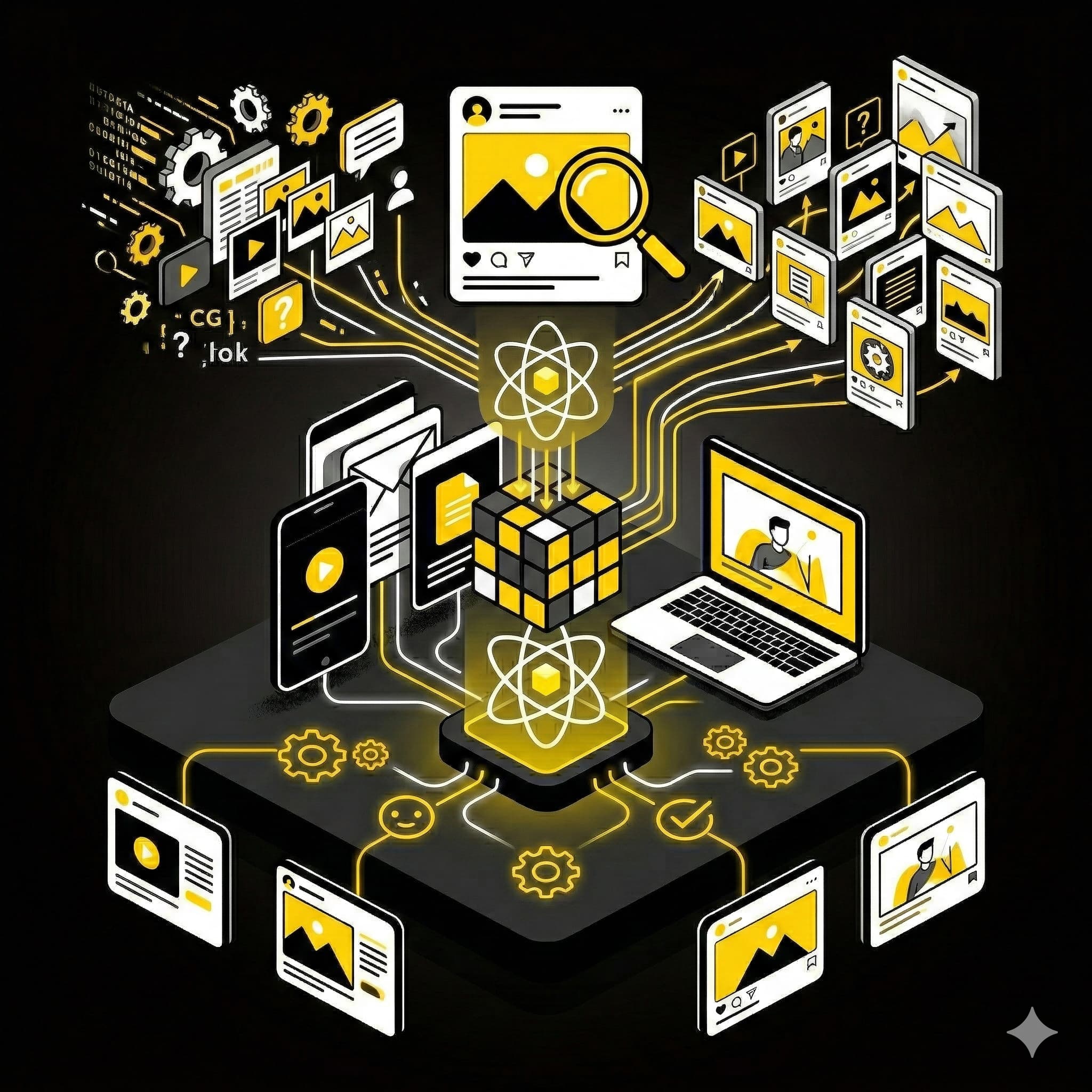
Andromeda works alongside GEM (Meta's generative foundation model trained at LLM scale across the entire ecosystem). Here's the thing: it doesn't match ads to static interest signals like page likes. Instead, it analyzes pixels in images and speech in videos to infer user psychological state, then matches ads to predicted actions based on behavioral sequences, including scroll speed and video engagement patterns. Think of it like a massive library where Andromeda searches for the perfect ad based on creative content, copy, and visuals rather than manual targeting parameters.
Why Retrieval Engines Now Infer User Intent Through Creative Signals
Meta ads now behave like search without the search box. Instead of waiting for explicit queries, the system infers users' needs from how they interact with content. Your creative assets signal who the customer is and what friction they're experiencing. A video showing a product solving a specific problem trains the algorithm differently than lifestyle imagery suggesting aspiration.
This inference model means you must guide the algorithm rather than letting it guide you. The creative diversity you deploy directly shapes the psychological intent clusters Meta associates with your brand. When a jewelry brand targets millennial moms with an iPhone photo of a children's Christmas card, that creative teaches Meta the emotional territory the brand occupies.
The Creative Diversity Imperative: Why Incremental Tweaks No Longer Work
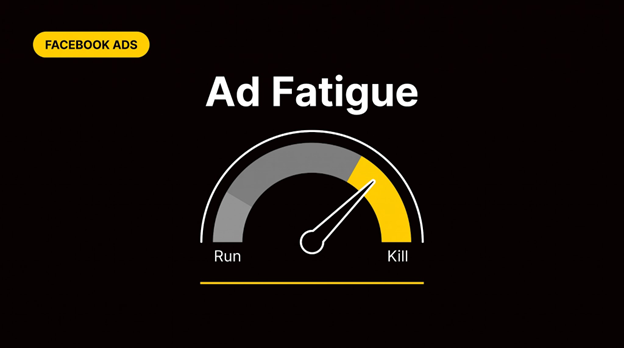
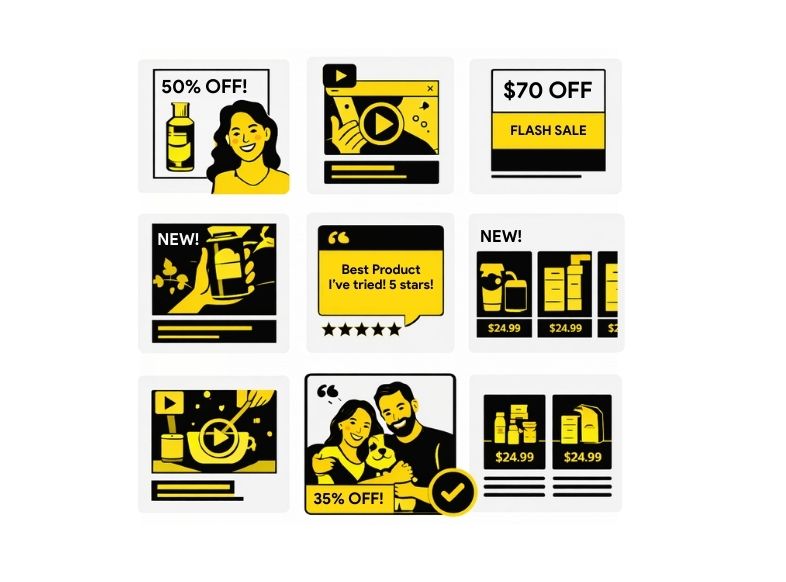
Andromeda's pattern recognition creates what’s known as the redundancy trap. Similar-looking creatives get bucketed together regardless of minor variations. Testing button color changes or font adjustments produces diminishing returns because the system treats these assets as basically identical. Meta's algorithm requires creative diversity with contrasting visual styles and emotional tones to avoid ad fatigue and enable scaling.
This goes beyond aesthetic novelty. You need to cover intent territory by creating variants that recognize and address different psychological states. One creative might address anxious first-time buyers who question their choice. Another addresses confident repeat purchasers seeking advanced features. The system needs scrappy employee-generated content alongside high-production studio shots, and benefit-focused messaging alongside technical specs.
From Persuasion to Resolution: The New Meta Ads Landing Page Paradigm
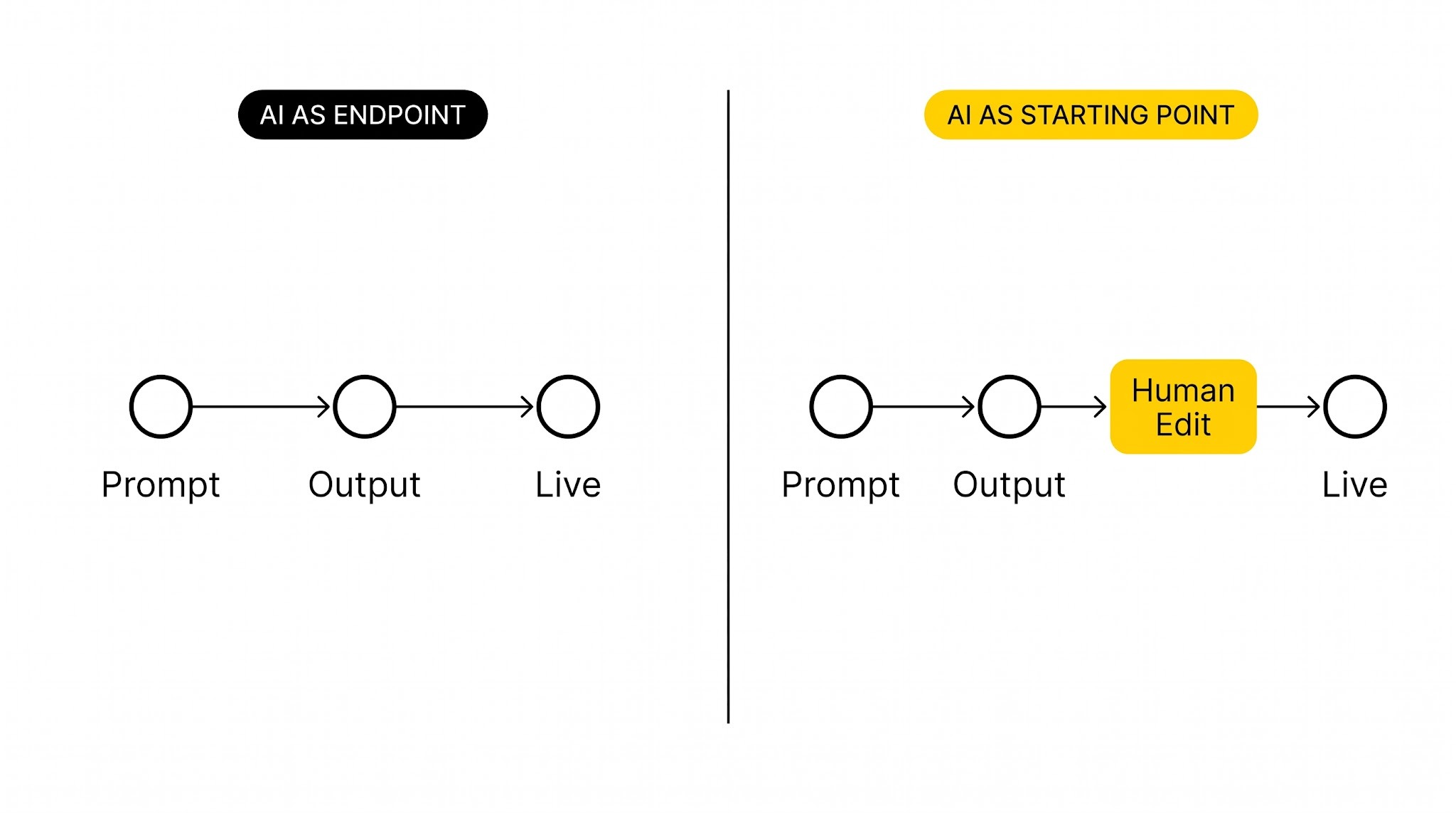
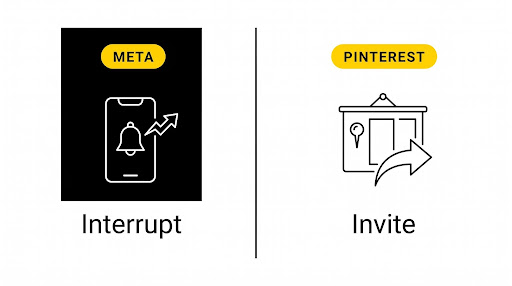
Traditional interruption marketing assumed users needed to be convinced. This model breaks down when creative becomes the targeting mechanism. If the ad reached the user because Andromeda identified a specific psychological state, your landing page doesn't need to persuade. It needs to be resolved.
Landing pages must evolve from persuasion tools into validated answers. The optimization challenge becomes: Does this page recognize and resolve the specific question the user holds? "Is this better than my current solution?" or "Will this actually work for my situation?" When the creative identifies these concerns, the landing page must answer them immediately.
Understanding Intent Resolution vs. Traditional Interruption Marketing
Intent resolution requires thinking about landing pages the way search results operate. Each page competes to resolve a specific user friction. If search data reveals users asking "What happens if I get it wrong?", you need landing pages that recognize and resolve that anxiety, not generic product pages that ignore the question.
This approach feels performance-led to teams accustomed to brand-first thinking. But storytelling is strongest when it consistently answers the same types of questions over time. A founder story page addressing trust concerns doesn't dilute the brand. It operationalizes brand values by showing how they solve real user tensions. Stories that speak directly to existing frictions become memorable because they provide recognition: "That's exactly what I was wondering."
Funnel Congruence: Why Your Landing Page Must Mirror the Hook That Earned the Click
The disjointed funnel represents one of the costliest mistakes in meta optimization. Sending users from a lifestyle ad emphasizing ease to a technical specifications page creates cognitive dissonance. The user clicked for one motivation; the landing page addresses something else. This disconnect wastes spend and confuses the algorithm about which message-user fits work.
Funnel congruence means maintaining psychological continuity throughout the user journey. When the jewelry brand runs that Christmas card creative targeting millennial moms, the landing page must expand the emotional story rather than showing a generic product grid. The page validates the specific motivation triggered by the ad before introducing product details.
Building Message-to-Page Alignment Across Diverse Creative Concepts
Creative diversity creates a challenge: How do you maintain message-to-page alignment when running dozens of ad variants? The answer lies in building a living library of validated answers mapped to psychological intent clusters rather than just funnel stages.
Each creative-page pairing teaches Meta which messages work for which user states. When an angle resonates, the top-performing ad hook should appear prominently in the post-click experience. This doesn't mean creating unique landing pages for every ad. It means developing modular page structures that mirror winning creative angles.
Listicles ("X Reasons Why" pages) consistently outperform homepages because they provide clean, persuasive reading experiences. Extended product pages that blend benefit messaging with shoppable collections work for high-consideration categories where users need education before committing.
The goal is coverage, not proliferation. You need enough landing page variants to validate the different intent territories your creative explores without creating unmaintainable sprawl.
Training the Algorithm: How Optimized Landing Pages Build Your Validated Answer Library
A landing page that fails to resolve the intent promised by the ad doesn't just bounce. It sends the wrong signal to Meta's system about the message-user fit. Every interaction trains the algorithm. When users click an ad addressing a specific concern but land on a page that ignores it, the system interprets it as a targeting mismatch, even if the creative resonated.
Landing page optimization now extends beyond conversion rate improvement. It directly impacts how Meta understands which messages work for which psychological states. You're moving from treating assets as disposable to building a validated answer library mapping creative concepts to landing experiences that consistently resolve the intent those creatives identify.
The practical implication: Landing page testing should happen alongside creative testing, not as a separate workstream. When media buyers launch new creative angles, landing page designers must ensure corresponding experiences are in place. When a new ad angle proves successful, bringing that hook to the landing page closes the feedback loop.
Breaking the Tactical Spin Cycle: Establishing Strategic Clarity Before Creative Testing
Many brands find themselves trapped in what I call the tactical spin cycle: constantly testing new creatives and landing page variants without clear direction. Media buyers optimize toward cost per acquisition. Landing page designers optimize toward conversion rate. Neither knows which strategic territory the brand should own.
The solution starts with a "How We Win" statement. This guiding policy aligns teams around strategy before tactics. It answers: What specific customer tension does this brand resolve better than alternatives? What psychological territory should creative and landing pages consistently occupy?
That clarity cascades into execution. Creative diversity still matters, but all variants explore different facets of the same strategic territory. Landing pages all deliver resolution within that territory, whether through founder stories that build trust or listicles that simplify complex decisions. The validated answer library grows coherently rather than through scattered experimentation.
For DTC brands scaling from $5M to $30M+, this strategic clarity prevents the scaling stall that happens when brands over-rotate toward creative novelty without maintaining conceptual consistency. The algorithm needs enough diversity to avoid redundancy but enough coherence to understand what the brand actually solves.
Technical Table Stakes: The Two-Second Mobile Load Rule as Non-Negotiable Foundation
Every strategic consideration above becomes irrelevant if the landing page doesn't load fast enough for users to experience it. The two-second mobile load rule is non-negotiable. Your stores must load in under two seconds on mobile, or you're burning cash before users see the content that should resolve their intent.
Page load time directly impacts conversion, with each additional second of delay correlating to measurable revenue loss (Cloudflare). For high-traffic landing pages, even a 0.5% increase in conversion rate from optimizing image compression can generate tens of thousands in additional revenue. More critically, slow pages mislead Meta's algorithm. The system attributes poor performance to targeting rather than technical failure.
Technical optimization isn't glamorous, but it's foundational. Image compression, server response time, and render-blocking JavaScript determine whether your carefully constructed funnel actually reaches users. You should audit mobile load times weekly and treat any load time above 2 seconds as a critical issue requiring immediate resolution.
How Pilothouse Helps DTC Brands Navigate the Andromeda Shift
For DTC brands struggling to align creative diversity with landing page strategy, Pilothouse's Scaling Growth System provides the infrastructure and expertise to implement these principles at scale. The agency specializes in building validated answer libraries that map creative intent clusters to landing page experiences, ensuring funnel congruence across hundreds of ad variants.
Pilothouse's approach combines strategic audit (identifying creative-to-page mismatches), technical optimization (ensuring sub-two-second load times), and closed-loop feedback systems between media buying and landing page teams. This removes the burden of coordination that typically breaks down as brands scale from $5M to $30M+, allowing founders to focus on product and brand. At the same time, the agency manages the algorithmic training that enables Meta's Andromeda engine to operate efficiently.
Implementing Your Andromeda-Era Meta Ads Landing Page Strategy
Start with Creative-to-Page Audit and Alignment
Implementation starts with audit and alignment. Map your existing creative angles to landing page experiences, identifying gaps where strong-performing ads send users to mismatched pages. The Meta Ad Library provides competitive intelligence. Filtering by country, platform, date range, and media type reveals how others in your category structure their creative-to-page journeys.
This audit reveals which intent territories remain uncovered and where the validated answer library needs expansion. The process identifies quick wins and strategic gaps requiring new page development.
Fix Technical Performance Before Scaling Creative
Next comes the technical foundation. Audit mobile load times and fix anything above two seconds. This work happens before creative expansion because slow pages make all optimization efforts meaningless. Once technical performance is solid, you can deploy Advantage+, Meta's fully automated ad suite that uses AI to optimize targeting, creatives, placements, and budget allocation based on the intent signals the creative provides.
Establish Cross-Team Feedback Loops
The final step is establishing feedback loops. Media buying teams and landing page designers must regularly share performance data. When new creative angles prove successful, landing pages adapt to mirror those hooks. When landing page variants drive unexpected conversion improvements, creative teams explore those angles more deeply. This closed-loop system treats meta ads landing page optimization as interconnected rather than siloed.
Only 3% of any audience is ready to buy immediately, according to Chet Holmes' research. Landing pages must captivate that segment while providing content to nurture the remaining 97%. The validated answer library serves both groups: immediate resolution for ready buyers, recognition and education for those still forming intent.
The Path Forward: Infrastructure, Not Tactics
The Andromeda era demands this systematic approach. Creative diversity signals psychological intent territory to Meta's retrieval engine. Landing pages must resolve the specific frictions that diversity identifies. Together, they train the algorithm on which message-user fits convert, building efficiency over time. For DTC brands navigating this shift, success comes from treating landing page optimization not as a conversion tactic but as core infrastructure for how Meta understands your customer.



%20(1).jpg)






.png)



.webp)


.webp)