Video Hook Testing: Why the First 3 Seconds Matter More Than Your Script

Many brands spend weeks perfecting their script and less than an hour thinking about their hook. That single decision costs them thousands in wasted ad spend.
Here's the brutal reality: audiences aren't reading scripts. They're deciding whether to scroll past an ad in under three seconds. Meta's algorithm isn't analyzing your carefully crafted narrative arcs either. It measures how many people stop, watch, and engage in those first few frames. Everything else comes second.
Video hook testing changes this equation. Instead of gambling on one perfect intro, brands create systematic variations that reveal exactly what stops their specific audience mid-scroll. Are the brands scaling profitably right now? They're not the ones with the best writers. They're the ones testing hooks with laboratory-level discipline.

Why Meta's Andromeda Engine Weighs the First 3 Seconds Over Everything Else
Meta's Andromeda algorithm doesn't evaluate brand stories. It prioritizes one signal above all others: early engagement. Those first three seconds predict everything that follows, and the platform's delivery system responds accordingly, as Avery Valerio, Social Content Lead at Pilothouse, shares on a podcast 6 Meta Ad Mistakes That Kill Scaling.
How the Algorithm Uses Creative Content to Drive Delivery
Before ads even reach the auction stage, Andromeda's Retrieval Engine analyzes ad content in detail. It examines text, video elements, colors, and messaging to determine which ads advance to bidding. The system has shifted from audience-based targeting to creative-based matching, where the hook itself becomes the primary targeting mechanism.
According to Meta's official engineering documentation, the retrieval system delivered a 6% improvement in recall and an 8% improvement in ad quality across selected segments. When advertisers enabled Advantage+ creative features, which generate multiple ad variations, they experienced a 22% increase in return on ad spend. (Engineering at Meta).
The practical implication? Hooks aren't just competing for human attention. They're feeding data to an algorithm that decides whether ads deserve broader distribution. If the first three seconds fail to generate engagement signals, the system reduces delivery before most target audiences see it.
Why the First Three Seconds Matter
Video performance on Meta platforms follows a clear pattern: early engagement signals algorithmic distribution. When viewers watch past the first three seconds, Meta's algorithm interprets this as a positive quality signal and expands delivery. Conversely, if the creative fails to generate engagement in the opening moments, the system reduces distribution before most target audiences see it.
The mechanism reflects fundamental shifts in digital content consumption. Users make near-instant decisions about whether content warrants their attention, with mobile viewing habits particularly compressed. The algorithm recognizes these behavioral patterns and weights early engagement accordingly when determining ad distribution.
The practical implication for advertisers: hooks aren't just competing for human attention. They're feeding data to an algorithm that decides whether ads deserve broader distribution. Creative that front-loads value and establishes relevance immediately outperforms traditional narrative structures that build toward a payoff.
The Rubik's Cube Approach to Video Hook Testing
Avery Valerio suggests thinking of video hook testing as solving a Rubik's Cube (Ep 538: How to Deploy UGC, CGC, and EGC in Your Paid Strategy). Rather than randomly twisting sides hoping for the best, marketers methodically test specific variables while keeping everything else locked in place. This isolation creates reliable data.
Keeping Your Video Body Identical While Testing Intros
The core principle is simple: change one thing at a time. The video body remains the same across all tests. Same offer, same scenes, same call to action. Only the hook in those first three seconds changes.
This eliminates confusion. When one variation outperforms another, the reason is clear. It wasn't the music, pacing, or offer that made the difference. It was the hook. That clarity accelerates learning and lets brands scale winning patterns with confidence.
Most brands test entirely different videos against each other, changing the hook, body, music, and offer simultaneously. When something works, they can't identify which element drove the result. When something fails, they can't isolate the problem.
Finding Your Lock and Key Combinations
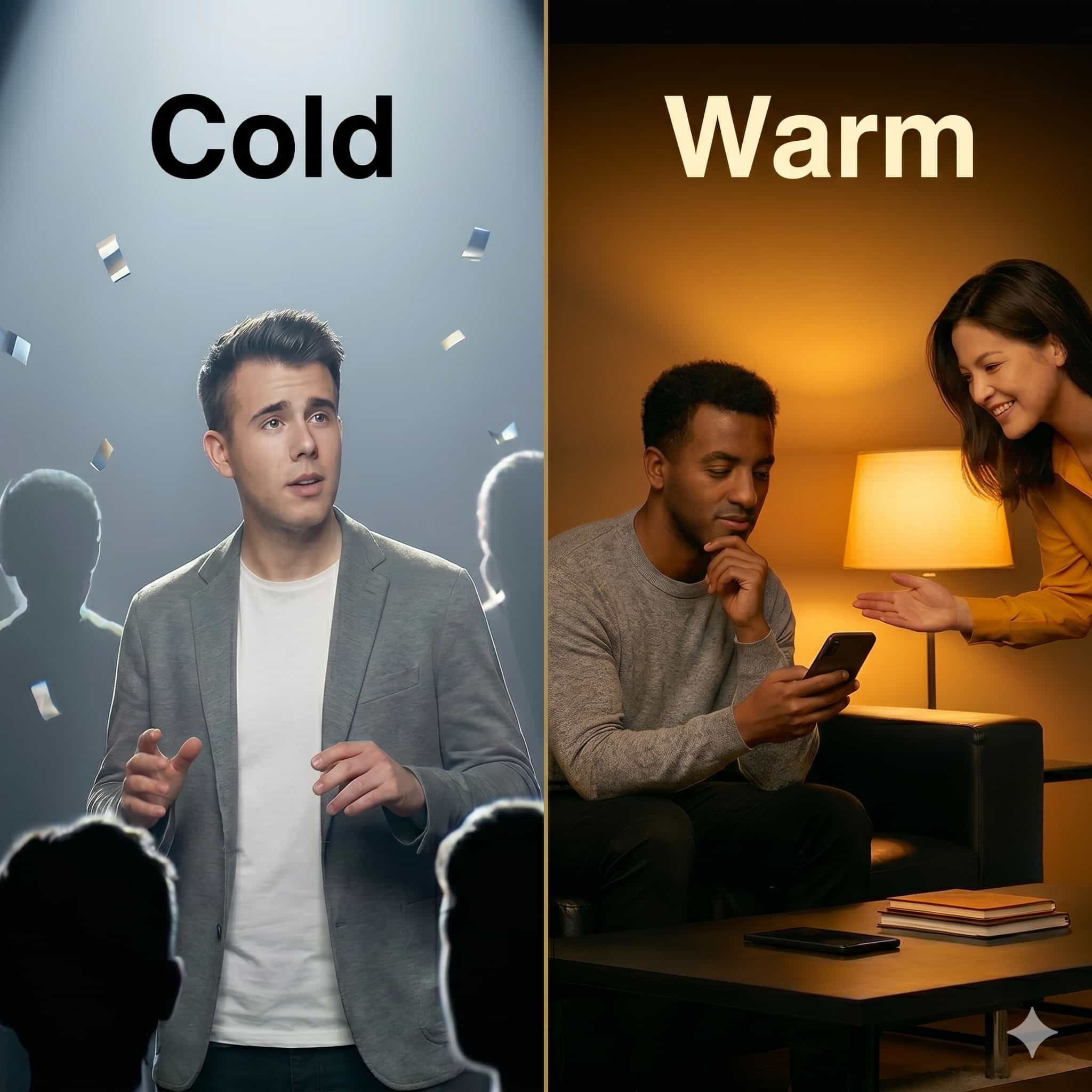
Some hooks work better with specific audiences and products than others. A hook that performs well for skincare might fall flat for supplements. A pattern that works for cold traffic often underperforms with warm audiences who already know the brand.
Video hook testing systematically reveals these combinations. Brands look for lock-and-key pairs where specific hooks unlock engagement with specific audiences. Once a pattern works, they can replicate it across campaigns, products, and platforms with more predictable results.
Why Visual Hooks Typically Outperform Voiceover Changes
Most creative teams test different scripts while keeping visuals the same. They tweak the voiceover, adjust the opening line, and polish the language. Then, engagement barely moves.
Audiences process visual information faster than audio. They make decisions based on what they see before they fully register what they hear. By the time a carefully crafted opening line lands, the scroll decision has already happened.
This doesn't mean audio is irrelevant. It means the visual needs to do the heavy lifting first. A striking image, unexpected movement, or pattern interrupt that stops the thumb typically matters more than perfect copy. Once brands earn that extra second of attention, voiceover can build on the foundation that the visual created.
Testing visual variations delivers results faster than most other approaches. Instead of recording new audio for every test, teams swap opening shots, change the first frame, or reorder footage. This makes testing faster, cheaper, and more scalable. Brands can produce ten hook variations in the time it takes to write and record two different scripts.
The Three Non-Negotiable Elements of High-Performing Hooks
Powerful hooks that consistently drive results share three essential characteristics. Missing any one of these elements causes hooks to struggle regardless of testing volume.
Human face. Users are biologically wired to respond to other human faces. Always show a human face in the first 5 seconds. Changing avatars between hook variations boosts relevance signals to the algorithm and helps serve ads to different demographic segments.
Brand mention. Include the brand or product name within the first 5 seconds. Even if a user swipes away immediately, the brand has generated a moment of awareness. This immediate recognition helps Andromeda understand what the ad is about and who should see it.
Instant value or humor. The viewer needs to believe that watching for more than 3 seconds will be worth their time. This comes from problem-solution framing, specific offers, testimonials in the first frames, or humor that creates an instant connection. If the hook looks like every other ad in the feed, there's no reason to stop scrolling.
Why Hook Diversity Outperforms Script Refinement
Brands waste resources polishing scripts that audiences don't watch long enough to hear. They debate word choice, test different tones, and refine messaging while hooks stay static.
The Data on Hook Performance
Industry testing consistently demonstrates that hook effectiveness determines overall video performance. Strong opening seconds drive measurably higher watch time and engagement than weak hooks, making hook quality the primary driver of ad success.
Allocate Resources Where They Matter Most
Resource allocation should match impact. When hooks disproportionately determine performance outcomes, they deserve the majority of testing attention. That means creating multiple hook variations for every piece of content, not multiple script versions of the same hook. Brands scaling profitably ship five, ten, or fifteen hook variations for every video body they produce.
This approach also makes content creation more agile. Instead of spending weeks developing perfect scripts, teams test hooks quickly and let data guide next moves. When a hook works, they double down. When something fails, they kill it fast and move to the next test.
How Meta's System Rewards Creative Diversity
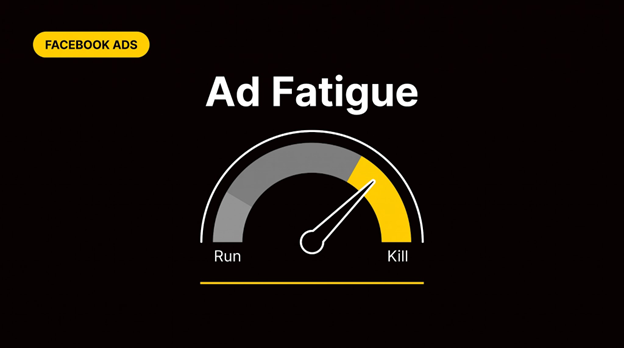
Performance marketing best practices suggest launching multiple distinct concepts with several hook variations for each, refreshing creatives every 7-14 days to combat ad fatigue. Meta's Andromeda ad delivery system is designed to handle increased creative volume and rewards advertisers who provide truly differentiated creative assets rather than minor iterations of a single approach. According to Meta's engineering team, the system "capitalizes on the fast industry adoption of Advantage+ automation and GenAI to deliver value for advertisers" by optimizing at the individual-user level rather than by audience segment (Engineering at Meta).
How to Start Video Hook Testing This Week
Starting video hook testing doesn't require massive budgets or full creative teams. It requires a system and the discipline to run it consistently.
Start with the best-performing video right now. The one driving the most conversions or generating the highest engagement. Keep the entire body of that video exactly as it is, and create three new hooks for it. Each hook should test a different opening approach: one that leads with a result, one that opens with a question, and one that starts with a visual pattern interrupt.
Launch all three variations with identical targeting, budget, and duration. Let them run for at least 48 hours to gather meaningful data.
Track hook rate as the primary metric, calculated as 3-second video views per impression. Target benchmarks are 30-40% hook rate and 25%+ hold rate, which track 3-15-second viewers. Compare this across variations. The winner becomes the new control, and teams create three more hooks to test against it.
Consider the PDA Framework when developing hooks:
- Persona (who the message speaks to),
- Desire (what they want), and
- Awareness (where they are on the customer journey).
This framework ensures hooks align with audience positioning while maintaining testing discipline.
When hook testing shouldn't be the priority: If total video views are too low (under 1,000 impressions per variation), results won't be statistically significant. If the core offer is weak or product-market fit is unclear, improving hooks won't overcome fundamental positioning problems. If the monthly ad budget is under $3,000, focus on offer testing and audience validation first.
As brands build testing muscle, expand the program. Test hooks across different products, audiences, and platforms. Build a library of patterns that work. Document learnings so teams can apply insights to future content without having to start from scratch each time. Pilothouse Digital works with scaling DTC brands to build systematic testing frameworks that turn creative intuition into predictable performance.
FAQ: Video Hook Testing
How many hook variations should brands test at once?
Start with three to five variations per video body. This gives enough data points to identify patterns without overwhelming testing capacity. The goal is sustainable testing velocity, not one-off experiments.
Do expensive tools matter for effective hook testing?
No. Most advertising platforms provide the analytics needed to measure three-second view-through rates and engagement metrics. Basic video editing software and existing ad accounts are sufficient to start. Sophisticated tools help as campaigns scale, but they're not requirements.
How long should each test run before making decisions?
Allow at least 48-72 hours and aim for a minimum of 1,000 impressions per variation before concluding. For more substantial statistical confidence, particularly with higher budgets, aim for 10,000+ impressions per hook before making final decisions.
Should visual hooks or audio hooks take priority?
Visual hooks typically take priority because most social media users scroll with sound off and process visual information first. Test visual variations first and layer in audio refinements once winning visual patterns emerge. This sequencing speeds up learning and usually produces better results faster.
Can the same hook work across different platforms?
Test this assumption rather than accepting it as a universal truth. Different platforms have different user behaviors and content expectations. A hook that performs well on Facebook might need adjustment for TikTok or YouTube. The testing process remains the same across platforms, but winning patterns often vary.


%20(1).jpg)





.png)



.webp)


.webp)