Amazon PPC Strategies That Drive Sales (Not Just Clicks)

Amazon advertising campaigns that rack up thousands of clicks don't mean much unless they drive profitable sales. The gap between campaigns that burn through budgets and those that scale profitably isn't just about optimization. It's integration. Most brands treat PPC as a collection of separate tactics rather than building a unified system that nudges customers toward buying.
Successful Amazon PPC strategies need a framework in which campaigns work together toward a shared goal: sustainable TACoS (Total Advertising Cost of Sale) that fuels long-term growth.

The Integration Problem: Why Uncoordinated Amazon PPC Campaigns Waste Money
When campaigns run without coordination, you get three major problems: ads compete against each other and drive up costs through self-sabotage, mixed branded and non-branded traffic makes it impossible to see what's actually working, and disconnected campaigns fail to guide customers smoothly from discovery to purchase.
The fix isn't about perfecting individual campaigns in isolation. You need to design a system where each campaign type has a clear job, and those jobs support each other. Brands need to deliberately shape how their campaigns interact to create synergy instead of noise.
The Five Pillars of Evergreen Amazon PPC Campaigns
Building performance that lasts year-round requires a solid foundation. This foundation sits on five distinct campaign pillars, each with a strategic purpose that reinforces the others.
Protect campaigns
Protect campaigns defend brand territory by bidding on brand names and ASINs. This prevents competitors from stealing customers who already know you exist. This traffic usually delivers your lowest costs and highest ROAS, providing a steady baseline that supports riskier strategies.
Conquer campaigns
Conquer campaigns target competitor brand names and ASINs. Focus on competitors with higher prices or weak ratings (below 3.5 stars) where you have clear advantages. These campaigns steal market share from established players.
Rank campaigns
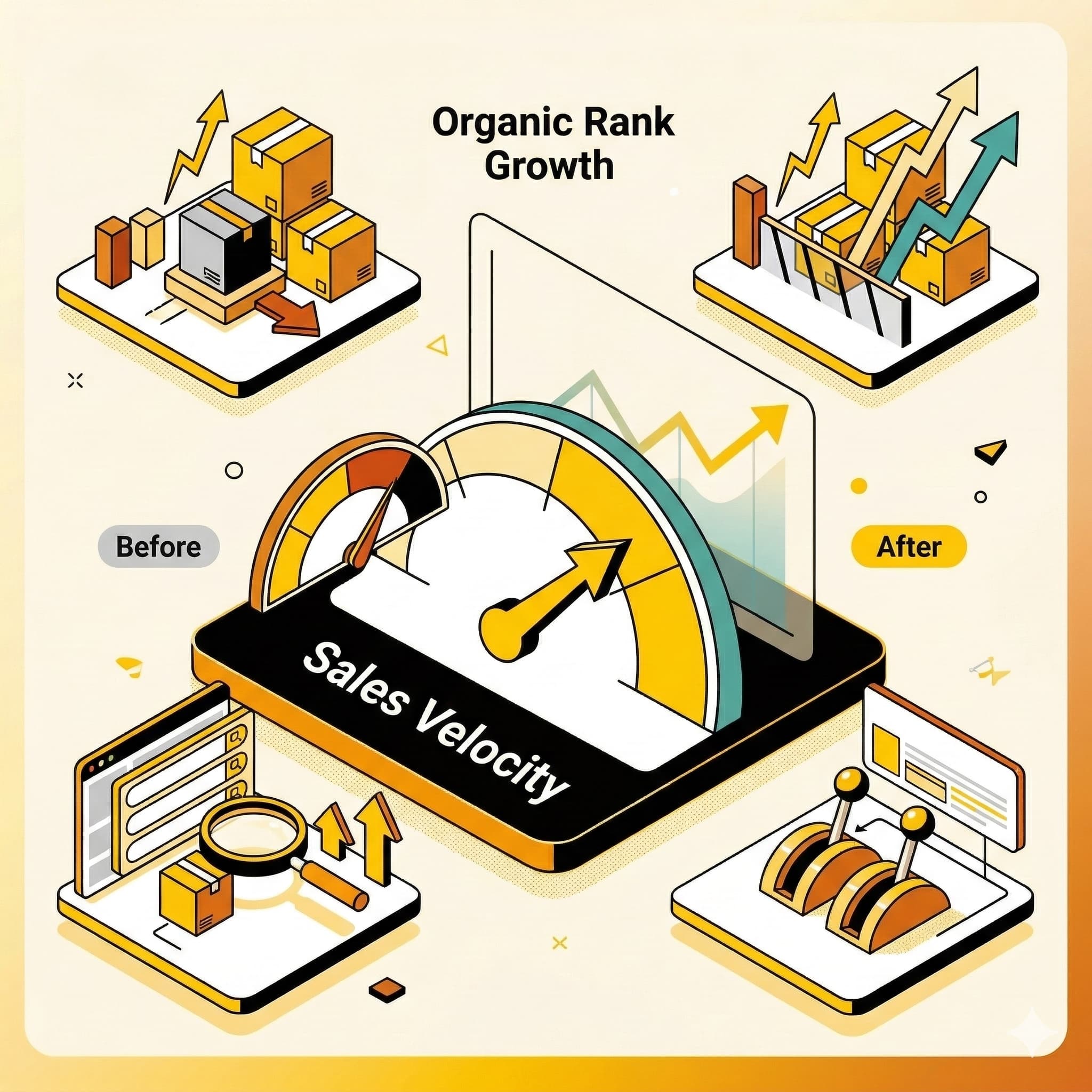
Rank campaigns use exact match keywords for terms that describe your products precisely. The goal here is boosting organic page-one visibility through consistent sales velocity that signals relevance to Amazon's algorithm.
Dominate campaigns
Dominate campaigns bid aggressively for top positions on high-volume category terms, regardless of immediate ACoS. This long-term play for market leadership works best when Rank campaigns are building sustainable organic momentum underneath.
Discover campaigns
Discover campaigns use automatic, broad, and phrase match targeting to find new search terms. When discoveries convert well, they graduate into Rank campaigns, creating a continuous optimization cycle.
This framework shifts PPC from reactive to systematic. Each campaign gets success metrics that match its purpose. You know when to increase or decrease investment based on what role each campaign plays in your overall growth strategy.
This kind of structured, role‑based campaign system is what Pilothouse used to help Four Sigmatic break out of flat Amazon performance and unlock meaningful shipped‑revenue growth. By restructuring PPC into tightly segmented campaigns with clear jobs, the brand was able to scale spend while improving efficiency rather than just buying more expensive clicks.
Strict Segmentation: Separating Branded Traffic for True Performance Data
Mixing branded and non-branded traffic in the same campaigns creates a dangerously misleading performance picture. Branded searches convert at much higher rates and lower costs than cold traffic. When you lump them together, strong branded performance hides weak non-branded results. Brands think campaigns are crushing it when they're actually just paying for customers who were already hunting for them.
Strict segmentation means building completely separate campaigns for branded and non-branded keywords. Different budgets, bid strategies, and performance targets. This separation shows you the real cost of acquiring customers who weren't already searching for you. When you know exactly what customer acquisition costs are, you can make smart decisions about expansion, pricing, and long-term profitability.
Clean segmentation reveals which campaigns actually drive new customer acquisition versus which ones capture existing demand. You can identify which sections need work rather than assuming everything sounds good just because the overall performance seems decent.
You also can't mix match types within campaigns. Keep broad, phrase, and exact match keywords in separate campaigns so you can allocate specific budgets to each match type. This prevents high-volume broad terms from eating budgets meant for high-converting exact terms. The discipline keeps your performance data clean and stops budget leakage.
Placement Modifiers: Prioritizing High-Value Ad Real Estate Over Generic Impressions
Not all impressions are created equal. An ad impression at the top of search results performs completely differently from one buried at the bottom of the page or stuck on product detail pages. Default Amazon bidding treats all placements the same, spreading budgets across high- and low-value real estate without considering performance differences.
Placement modifiers let you adjust bids based on where your ads actually convert. You need to dig into placement report data to find conversion rates, ACoS, and ROAS by placement type. Top-of-search typically performs best, followed by rest-of-search, with product page placements usually lagging behind. These are commonly applied rules of thumb for placement bid optimization:
- If top-of-search converts at 200% of your campaign average, increase bids by 50% to 100% for that placement.
- If product pages convert at 50% of average, cut those bids by 25% to 50% to focus the budget where it actually drives results.
- For ASIN-targeting campaigns, try high product page multipliers with low base bids to force Amazon to show your ads primarily on competitor listings rather than general search results, where relevance might be weaker.
This optimization builds momentum over time. Better placement focus creates budget room for expansion. Strategic placement bidding is like adjusting the volume knobs on individual channels, amplifying what works and reducing what doesn't.
Leveraging the Search Query Performance Dashboard to Measure Purchase Share
The Search Query Performance Dashboard shows how your products capture the share of actual purchases for specific search queries. This goes way beyond standard campaign metrics. Purchase share matters more than impression or click share because it reveals whether you're winning the only metric that counts: sales. You can have high impression share but terrible purchase share, which means visibility without conversion.
This dashboard gives you insights into your top 1,000 keywords, showing add-to-cart rates and purchase share to help you see where performance breaks down. Search queries with decent impression share but weak purchase share are immediate optimization opportunities. Something's failing between visibility and conversion. It could be competitive pricing, weak images, or poor reviews.
This tool also reveals when PPC optimization alone won't fix your problems. If you bid aggressively, get clicks, but still lose purchase share, the issue is in your listing, not your ads. No amount of bid tweaking will overcome weak product presentation or uncompetitive positioning.
The Search Query Performance Dashboard shows you whether you're actually winning conversions, not just generating activity. When the conductor sees certain sections falling behind, they know which sections need fundamental improvement beyond just playing louder.
Optimizing for Amazon Rufus: Winning the AI Shopping Assistant
Amazon Rufus changes how customers discover products. This AI shopping assistant interprets natural language queries and recommends products by understanding context rather than matching exact keywords. The shift means your Amazon PPC strategies need to handle AI-driven discovery alongside traditional keyword targeting.
Rufus excels at understanding context and intent. When customers ask for "gifts for someone who loves hiking," Rufus grasps the use case and suggests products that fit the scenario rather than just matching keywords. Your product listings need semantic richness: use case language, problem-solving benefits, and contextual details that help AI systems understand when your products fit customer needs.
You should test broad match and phrase match campaigns more aggressively as AI-driven search grows. These match types capture the varied ways customers express intent, which aligns better with how AI assistants interpret queries.
Optimizing for Amazon Rufus means your product content explicitly answers AI-generated questions. Audit your listings for "Rufus questions" and ensure your A+ content and bullet points address the frequently asked questions AI surfaces. This improves both AI recommendation probability and customer trust after they click.
Post-Click Optimization: Why PPC Only Drives the Click
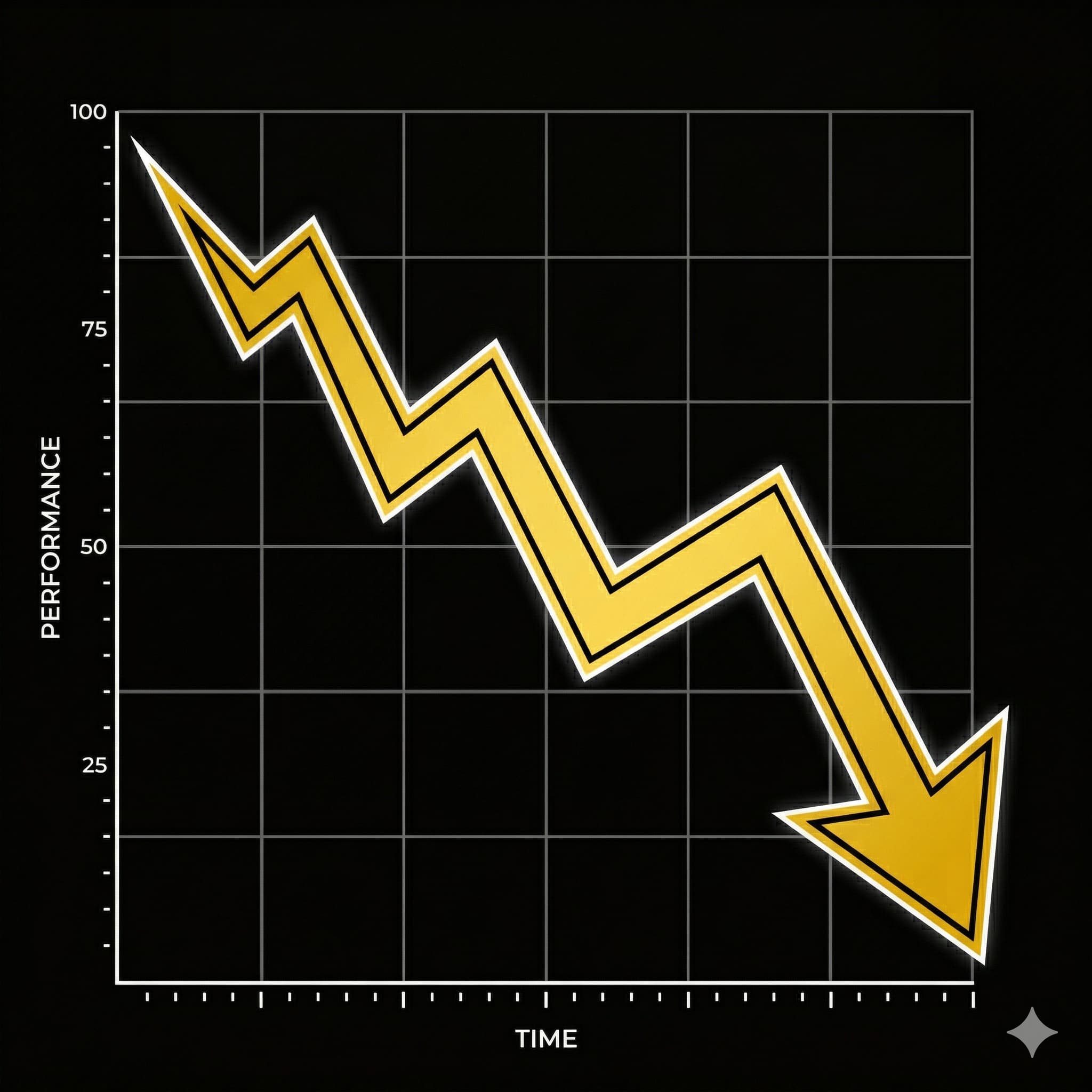
Amazon PPC campaigns don't drive sales. They drive clicks. Sales happen after the click, on your product listing page. If your listings don't convert, a perfect PPC strategy just means you pay more for disappointing results.
The biggest wins often live on the listing, not in campaign settings. Boosting conversion rate from 10% to 15% delivers the same profit impact as cutting cost per click by 33%, but it's usually easier to achieve.
A/B Testing Full Listing Image Sets for Maximum Conversion Value
Product images carry more weight in conversions than any other listing element. Testing complete image sets reveals which visual approaches actually drive sales. Rather than testing individual images, test entire sets that tell cohesive stories. One set might emphasize lifestyle context, showing products in use; another might focus on detailed feature callouts and size comparisons.
Amazon's Manage Your Experiments tool lets you split test different image sets. Conversion lift from better images often reaches 20% or more, instantly transforming campaign economics. When you identify winning image sets, every dollar of ad spend works harder.
PPC drives traffic to your listing, but listing quality determines whether visitors convert. Both elements need to excel for sustainable profitability.
Building Your Coordinated Amazon PPC Strategy
The strategies above work when implemented as an integrated system, not as isolated tactics. Here's how to bring them together:
Start with your foundation. Launch branded defense campaigns using exact and phrase match on brand names and variations. These protect your market position and generate the low-cost baseline that funds everything else.
Build your growth engine. Layer in aggressive Rank campaigns targeting strategic non-branded keywords where market share matters most. These need higher bids and consistent investment to drive both immediate PPC sales and long-term organic ranking improvements.
Feed your discovery loop. Add discovery campaigns with automatic targeting or broad match, using lower bids. Review search term reports weekly. Promote winning terms to manual campaigns. Block irrelevant traffic. This creates a continuous optimization cycle that finds new opportunities.
Optimize where ads appear. Deploy placement modifiers across all campaigns based on performance data. Review monthly to concentrate spending on high-converting placements. This ensures your budget goes toward visibility that actually converts.
Treat listings as part of your ad strategy. Check conversion rates weekly. Test new images quarterly. Update content based on customer questions and competitive research. Your listing isn't a separate project—it's where your ad spend converts into revenue.
Set expectations by campaign purpose. Protect campaigns should maintain low TACoS (3-5%), while Discover and Dominate campaigns will run higher (15-25%) as they build future efficiency. Monitor total account TACoS weekly to ensure aggressive campaigns don't overwhelm your profitable baseline.
The key is to view these elements as interconnected parts of one system, not as separate optimization tasks competing for attention.
Ready to Scale Your Amazon Advertising Profitably?
Building an integrated Amazon PPC system takes strategic expertise and consistent execution. Pilothouse Digital specializes in helping brands scale profitably through coordinated advertising strategies, having driven over $1B+ in attributable revenue by treating PPC as part of a broader growth system.
On Amazon specifically, this integrated approach has helped Pilothouse grow brands like Four Sigmatic, Colorfil, Buddha Board, and a leading sporting goods company to new revenue plateaus while keeping TACoS in a sustainable range, showing that coordinated systems, not isolated hacks, are what actually scale.
Our team builds customized frameworks where paid advertising, organic optimization, and product positioning reinforce one another, transforming disconnected campaigns into sustainable revenue engines.
Contact Pilothouse Digital today to discuss how we can help you build systematic coordination across your Amazon advertising and drive profitable growth at scale.





.jpg)
.png)