The Amazon Ads Agency That Builds Systems - Not Just Campaigns
.png)
Amazon generated $56.2B in ad revenue last year (Statista). Yet most advertisers are still just managing campaigns, not building systems. Campaigns react. Systems compound. That’s the difference between brands that scale and brands that just optimize.
Most Amazon advertising lives in a loop of short-term fixes. Budgets shift based on yesterday’s numbers. New keywords get tested. Winning targets get overfed until they stop performing. These moves can spark quick wins, but they rarely build momentum.
We observe that growth doesn’t come from squeezing more efficiency out of tactical tweaks. It comes from building structures. Tactical optimization looks at campaigns in isolation: adjusting bids here, testing keywords there, reacting to what happened yesterday. A systems-based approach connects creative insight, targeting precision, and conversion behavior into a continuous feedback loop that learns, adapts, and compounds.
That's when Amazon stops being a channel you manage and starts becoming an engine you scale.

TL;DR
- Most advertisers stay stuck in tactical mode: tweaking bids, testing keywords, reacting to yesterday’s data. That optimizes campaigns but doesn’t scale.
- Scale happens when creative, targeting, and conversion data are connected into real-time feedback loops that learn, adapt, and compound.
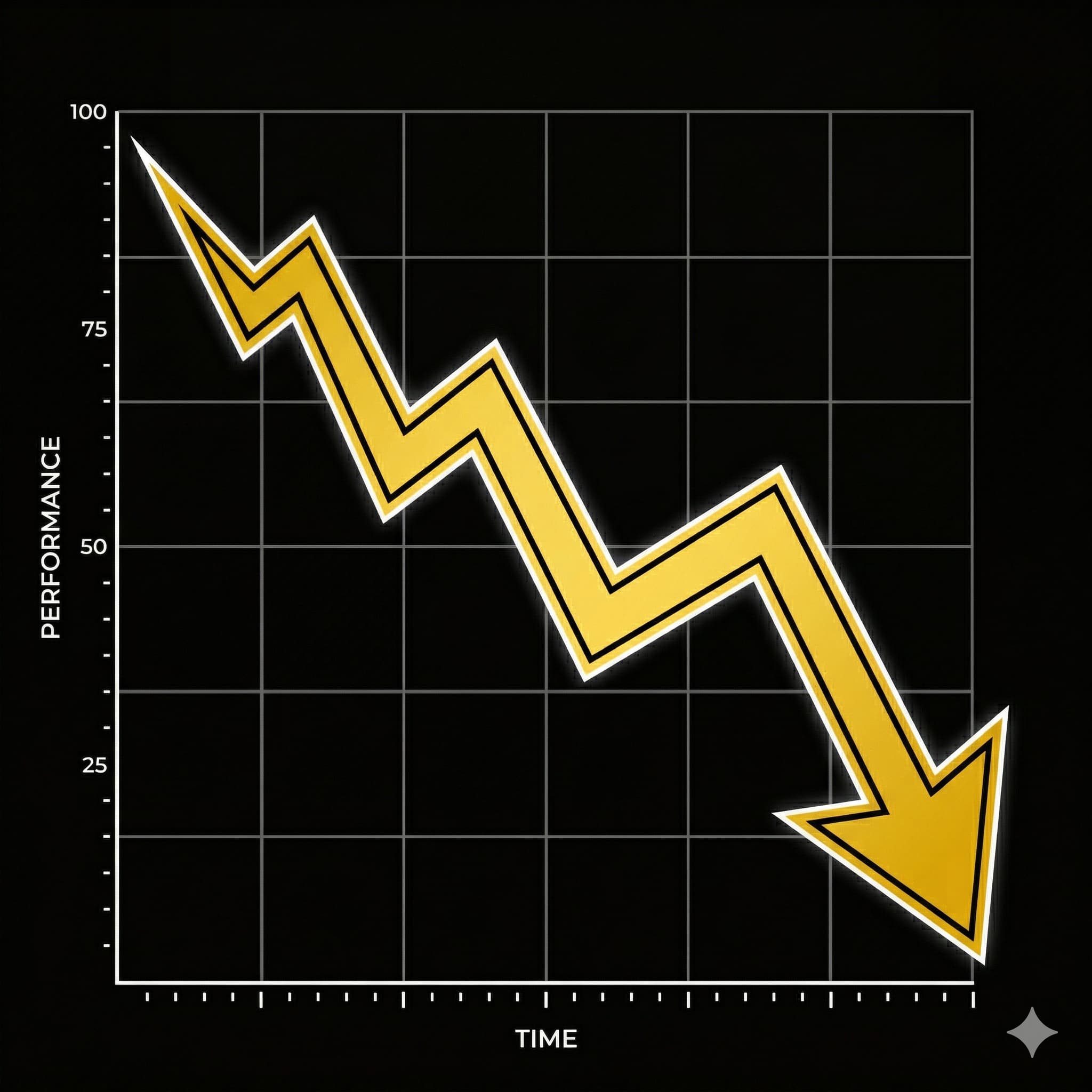
- At scale, manual optimization doesn’t just slow growth, it eventually blocks it. The problem isn’t effort. It’s reaction speed.
- Systems-based advertising relies on architecture (segmentation, naming, portfolios), automated bidding and budgets, full-funnel monitoring, and unified management across Sponsored Products, Brands, and DSP.
- Pilothouse Digital isn’t built to manage campaigns. It builds the systems that make campaigns scale.
Why Most Amazon Ads Agencies Focus on Tactics Instead of Systems
Many agencies default to tactical optimization because it produces visible activity. Daily bid adjustments, keyword expansions, and budget reallocations create the appearance of progress without requiring deeper strategic thinking or infrastructure investment.
The tactical mindset also requires less upfront investment. Building systems demands time to establish data connections, develop automated monitoring, and create processes that integrate creative testing with targeting refinement. For brands spending under $10,000 monthly on Amazon Ads, tactical optimization often delivers better ROI than building complex systems. The infrastructure investment required for systematic approaches typically makes sense once campaigns exceed certain complexity thresholds and manual processes become bottlenecks.
The Manual Optimization Trap That Limits Scale
Manual optimization tends to create scalability challenges as brands grow, according to feedback from paid media analysts and agency partners. While authoritative, peer-reviewed industry benchmarks for specific ad spend thresholds are scarce, many practitioners encounter manual bottlenecks around the $50,000–$100,000 monthly spend per analyst. The precise ceiling will vary by sector, workflow setup, and team experience.
Case studies (such as Buddha Board’s campaign optimization success) demonstrate how systematic and automated approaches can outperform manual tweaks at scale. Ultimately, every advertiser should assess their own workflow constraints and review multiple sources to determine the right time for automation.
How a Systems-Based Amazon Ads Agency Approaches Growth
Systems-based agencies begin by mapping how creative performance, targeting precision, and conversion optimization influence each other. Rather than treating these as separate workstreams, the approach recognizes them as interconnected variables within a single growth system.
Colorfil exceeded revenue scale goals while simultaneously improving cost efficiency, a combination that seems contradictory under traditional thinking. The outcome became possible through aggressive growth strategies integrated with real-time conversion monitoring and subscriber behavior analysis. When creative, targeting, and conversion data connect properly, scale and efficiency improve together rather than competing.
This integration requires infrastructure that most agencies haven't built. Systems need automated data collection across all campaign types, standardized naming conventions that enable cross-campaign analysis, and monitoring tools that flag performance shifts before they compound into problems. The investment happens upfront, but the compounding returns begin once the infrastructure activates.
The Three-Part Feedback Loop Behind Sustainable Performance
Sustainable Amazon advertising performance comes from connecting three data streams into a continuous improvement cycle: creative testing results, targeting precision metrics, and conversion behavior patterns.
The creative stream measures which visual approaches, messaging angles, and offer presentations drive engagement across different audience segments. Rather than testing in isolation, creative performance data feeds directly into targeting decisions, revealing which customer segments respond to specific creative approaches.
The targeting stream tracks keyword performance, audience behavior, and placement effectiveness. These insights inform both creative development (showing what messages resonate with high-value segments) and conversion optimization (identifying where friction occurs in the customer journey).
For example, when Creative Stream data shows video ads with product-in-use scenarios drive 40% higher engagement for the 25-34 age segment, this insight automatically flags in the Targeting Stream dashboard, triggering an audience expansion test for that demographic. Simultaneously, the Conversion Stream tracks whether this segment has different cart abandonment patterns, informing detail page optimization.
The conversion stream monitors detail page views, add-to-cart rates, and purchase completion across different traffic sources. This data reveals which combinations of creative and targeting actually drive revenue, closing the feedback loop by showing what to amplify and what to refine.
Four Sigmatic: A Deep-Dive into Systems Implementation
Four Sigmatic, a functional foods company known for mushroom coffee and superfoods, approached Pilothouse with a core challenge: their Amazon sales growth had plateaued despite consistent bottom-funnel ad activity. Pilothouse’s mandate was to unlock new revenue growth by scaling Sponsored Product, Sponsored Brand, and Sponsored Display campaigns in a packed vertical
Strategy and Execution
Pilothouse Digital began with extensive keyword and competitor research, revamping the brand’s entire Amazon catalog presence and optimizing campaigns to avoid budget caps. Their approach blended creative Sponsored Brand and Sponsored Brand Video campaigns to expand reach for high-appeal products while also driving niche segment growth. They refreshed product photos, descriptions, and A+ content to boost conversion, supporting this with over 870 tailored campaigns around Four Sigmatic’s diverse product portfolio.
Results
- 115% increase in monthly gross profit
- 83% increase in monthly shipped revenue (achieving seven-figure months)
- 99% year-over-year growth in active subscribers
- ROI goals exceeded by 25%
These gains were driven by combining full-funnel tactics with continuous optimization and creative testing, showing the compounded impact of data-backed PPC and campaign restructuring at scale. The Pilothouse team worked as an extension of the client's internal team, maintaining consistently high retention and deep brand understanding—key factors contributing to sustainable Amazon channel growth
The Infrastructure That Powers Scalable Amazon Advertising
Scalable advertising requires infrastructure built for growth, not maintenance. That starts with campaign architecture engineered for visibility, control, and decision speed.
Pilothouse Digital structures campaigns around granular keyword segmentation, standardized naming conventions, and portfolio-level organization. These aren't cosmetic habits; they turn the campaign structure itself into a functional asset. When creative, targeting, and performance metrics stay connected through standardized structures, scale becomes a data problem, not a labor problem.
Grouping keywords into value-based segments (branded, generic, competitor, long-tail opportunity, defense) enables budget to flow where it compounds returns. Effective architecture reduces analysis time, speeds decision-making, and exposes patterns that manual reviews would never surface.
Pilothouse’s documented results in categories like Tools & Home Improvement show that when structure and visibility are engineered correctly, revenue can scale 4x without sacrificing efficiency, not by tweaking bids faster, but by making better decisions from better-organized systems.
Why it works: structure creates clarity, clarity fuels automation, and automation unlocks scale.
Bidding and Budget Systems That Respond to Real-Time Signals
Amazon's advertising environment shifts continuously. Competitor activity changes hourly. Search volume fluctuates with external events. Conversion rates vary by time of day, device, and dozens of other factors. Bidding strategies that rely on daily or weekly reviews can't capture these dynamics.
Automated bidding systems analyze product-level data including ACoS, sales, cost-per-click, and conversion rates, then adjust bids within hours rather than days. This responsiveness prevents wasted spend during low-conversion periods and captures opportunity during high-performance windows that manual review would miss entirely.
Budget allocation follows similar principles. Rather than setting monthly budgets and hoping for optimal distribution, systematic approaches reallocate spend based on real-time performance signals. High-performing segments receive incremental budget automatically. Declining performance triggers investigation before significant waste occurs.
Automated Performance Monitoring Across the Full Funnel
Manual performance reviews create blind spots. By the time weekly or monthly analysis happens, problems have compounded and opportunities have passed. Automated monitoring tracks metrics across the entire funnel continuously, flagging anomalies as they emerge rather than after they've caused damage.
Colorfil's success came from closely tracking detail page views, conversion rates, and subscribing behaviors simultaneously, enabling the team to scale revenue while improving cost efficiency. The monitoring system revealed which levers to push rather than requiring guesses about where to focus optimization effort.
Automated systems also provide early warning of operational issues. Listing suppressions, inventory problems, or pricing errors get flagged immediately rather than discovered days later through performance declines.
Integrating Sponsored Products, Brands, and DSP Into One Unified System
Amazon’s ad formats now operate under a single, unified Campaign Manager, making it possible to coordinate Sponsored Products, Sponsored Brands, and DSP campaigns from one dashboard. Sponsored Products represent around 80% of Amazon ad spend, driving bottom-funnel conversions and direct sales (Jungle Scout). Sponsored Brands focus on building awareness and brand consideration, while Amazon DSP enables advanced reach and retargeting at scale.
The unified platform, announced at Amazon’s 2025 unBoxed conference, empowers advertisers to plan, execute, and optimize all Amazon ad formats in one place using AI-powered recommendations, cross-product campaign views, and consolidated reporting. This integration ensures that each format adds value at the right stage of the customer journey and that spend can be strategically allocated for maximum efficiency and impact, eliminating wasted budget and unlocking breakthrough performance.
Common Implementation Challenges When Transitioning to Systems
Building systematic advertising infrastructure introduces challenges that tactical approaches don't face. Understanding these obstacles helps set realistic expectations.
Data integration difficulties emerge when connecting performance data across Amazon's advertising console, DSP, and third-party analytics. Different attribution windows, metric definitions, and reporting delays create reconciliation problems. Most brands need 4-6 weeks to establish clean data pipelines that enable automated decision-making.
Organizational resistance surfaces when teams accustomed to manual control encounter automated systems. Analysts worry that automation reduces their value, when it actually elevates their role from execution to strategy. Clear communication about how systems augment rather than replace human judgment helps overcome this friction.
The timeline to results differs from tactical changes. A new keyword test shows results in days. Building systematic infrastructure takes 2-3 months before compounding effects become visible. Brands expecting immediate performance jumps often abandon systematic approaches before they mature, reverting to tactical optimization that feels more responsive but limits long-term growth.
Is a Systems-Based Approach Right for Your Brand?
Not every brand needs systematic advertising infrastructure immediately. Several factors determine whether the investment makes sense. You should consider a systematic approach if your brand has:
You should consider a systematic approach if your brand has:
- High ad spend that requires infrastructure to scale efficiently without analyst bottlenecks
- Catalog complexity - multiple SKUs, variations, or bundles that require granular campaign segmentation
- Aggressive growth targets that demand compounding performance, not incremental gains
- Dedicated team capacity to interpret system signals and make strategic decisions beyond automation
If you hit three or more of these, you're likely past the point where tactical optimization delivers meaningful growth. At that stage, it's not about working harder in the console — it's about building an infrastructure that compounds.
How to Evaluate Whether an Amazon Ads Agency Has True Systems
Most agencies claim systematic approaches without demonstrating the infrastructure those systems require. Evaluation starts by asking specific questions about how data connects across functions:
- How do creative testing results inform targeting decisions? If the answer describes manual reporting or periodic reviews, the connection isn't systematic. True systems use automated data flows that update targeting strategies as creative performance emerges.
- How quickly do you identify and respond to performance shifts? Manual review cycles measured in days or weeks indicate tactical optimization. Systems-based approaches measure response time in hours through automated monitoring and rule-based adjustments.
- How do insights from Sponsored Products campaigns influence DSP strategy? Siloed answers where each format gets managed independently reveal tactical thinking. Systems-based agencies describe specific processes for cross-format data integration.
- What proprietary technology do you use beyond Amazon's native tools? Standard platform capabilities limit systematic approaches. Custom-built infrastructure for post-click optimization and performance monitoring indicates commitment to building growth systems rather than executing standard tactics.
- Can you show examples where scale and efficiency improved simultaneously? This outcome contradicts tactical thinking but emerges naturally from systematic approaches. Request specific case evidence with documented metrics rather than general claims.
Building a Partnership With Pilothouse's Systems-Focused Approach
Pilothouse's approach centers on the three-part feedback loop connecting creative optimization, data-driven targeting, and continuous conversion analysis. This infrastructure has generated over $750 million in attributable revenue across brands in categories from consumer electronics to health supplements.
The partnership begins by establishing the systems infrastructure your current approach lacks. Custom-built storefronts optimized for speed have delivered up to 35% conversion rate improvements. Granular campaign architecture provides the visibility that enables rapid scaling decisions. Automated monitoring across the full funnel catches performance shifts before they compound.
RUX scaled ad spend by 300% while tripling return-on-ad-spend through strategic feedback systems where creative and offer tests informed targeting refinement, and conversion data guided aggressive scaling. The result (record-breaking Black Friday performance) emerged from a robust, adaptive campaign structure designed for sustained growth rather than one-time tactical wins.
Pilothouse Digital operates as an Amazon ads partner focused on solving root causes rather than applying tactical fixes. The omnichannel expertise across Amazon, Meta, Google, YouTube, and TikTok ensures your Amazon strategy connects to broader customer acquisition systems rather than operating in isolation.






.jpg)